Category: Flatbread Blog and News

Explore our flatbread blog for authentic Armenian recipes, baking tips, cultural history, and creative cooking ideas. Discover how to use lavash, sangak, and markook in your kitchen with expert guidance from Breadmasters.

  • Pita vs Lavash: Key Differences & Best Uses

    Main Difference

    The main difference between Pita and Lavash is that the Pita is a soft, slightly leavened flatbread baked from wheat flour and Lavash is a flatbread.

    Which one should you choose? It depends on what you’re making:

    • For wraps and sandwiches: Both work, but lavash is thinner and more flexible
    • For dipping: Lavash crisps up beautifully; pita creates perfect pockets
    • For pizzas: Lavash makes an ultra-thin crust; pita gives you a thicker base

    Lavash’s thin, pliable texture makes it ideal for rolling around fillings without cracking. Try it with our Markook Thinnest Flatbread – the most flexible option for wraps and kebabs.

    At Breadmasters, we specialize in authentic Armenian lavash. Our stone-oven baked flatbreads bring generations of tradition to your table.

    Nutritional Comparison: Pita vs Lavash

    For those tracking nutrition, here’s how a standard serving compares:

    NutrientPita (1 large, 60g)Lavash (1 sheet, 60g)
    Calories165150
    Carbohydrates33g30g
    Protein5g5g
    Fat1g1g
    Fiber1g2g
    Sodium320mg280mg

    Values are approximate and vary by brand and recipe. Lavash typically has slightly fewer calories and carbs due to its thinner, unleavened nature.

    Which is Healthier: Pita or Lavash?

    This is one of the most common questions, and the answer depends on your goals:

    Lavash is generally considered the healthier choice for most people. Here’s why:

    • Fewer calories and carbs: Lavash is thinner and typically contains no added fats or oils, resulting in a slightly lower calorie count per serving.
    • No yeast or leavening: Traditional lavash is unleavened, making it easier to digest for some people.
    • More versatile for portion control: You can tear off exactly how much you need rather than committing to a whole pita pocket.

    When pita might be the better choice: If you specifically want the pocket structure for stuffing, or if you prefer a thicker, chewier bread that stands up to hearty fillings, pita is the way to go. Both are whole-food options when made with simple, quality ingredients like ours at Breadmasters.

    Tip: Our Stone Lavash offers a heartier texture that sits between traditional lavash and pita—perfect if you’re looking for something in the middle.

    Can You Substitute Lavash for Pita?

    Yes, you can substitute lavash for pita in most recipes—with one important caveat.

    When substitution works perfectly:

    • Wraps and sandwiches: Lavash wraps tighter and more cleanly than pita
    • Flatbread pizzas: Lavash creates a crispier, thinner crust
    • Dipping: Lavash crisps up beautifully for chips
    • Pinwheels and roll-ups: Lavash rolls without cracking

    When you might want to stick with pita:

    • Stuffed pockets: Lavash doesn’t naturally create a pocket, though you can warm and open our Stone Lavash to create one
    • Heartier sandwiches: If you need the bread to hold very heavy fillings without tearing

    Our recommendation: For most modern recipes, lavash is actually the more versatile option. It can do everything pita does—except create a built-in pocket—while offering more flexibility for wraps, pizzas, and creative uses.

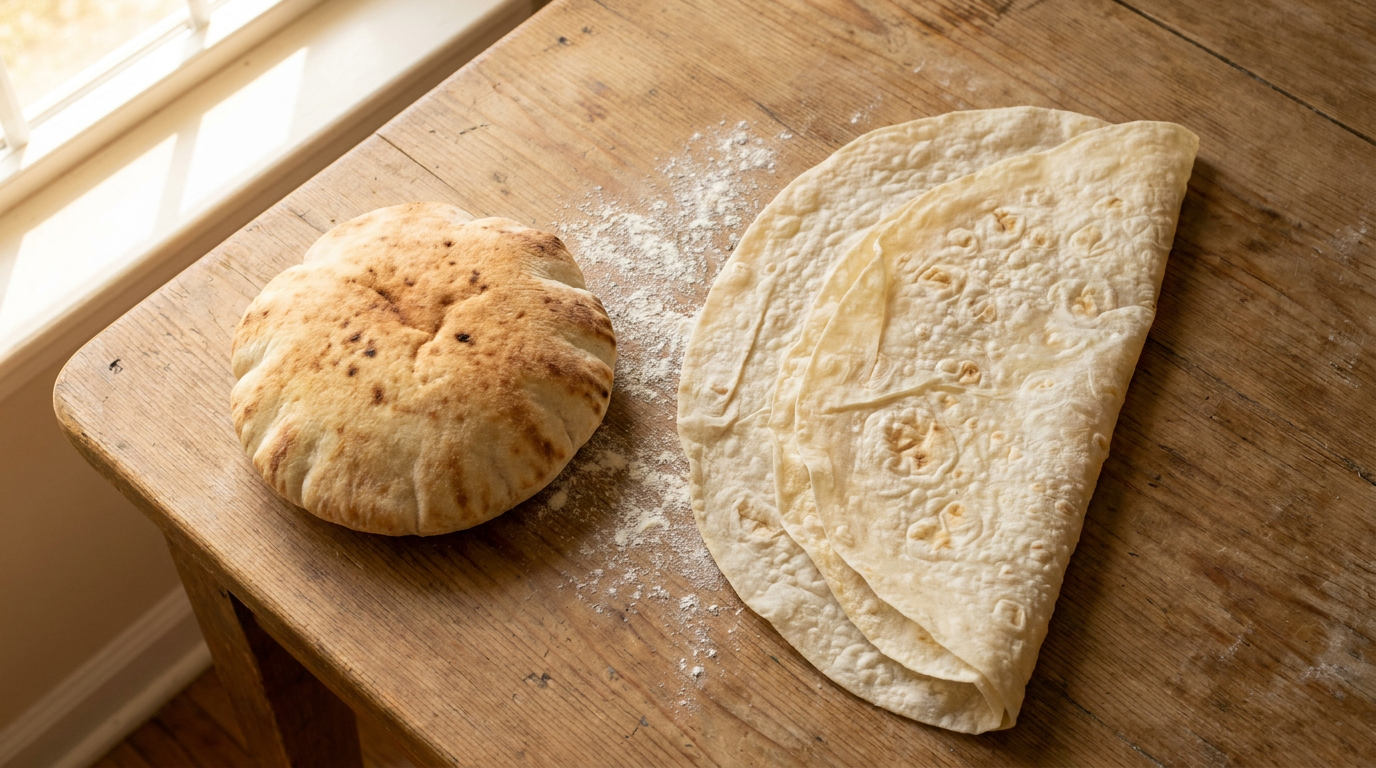
    Pita

    In many languages, the word ‘pita’ refers not to flatbread, but to flaky pastries; see börek. Pita’s pocket structure is perfect for stuffing. If that’s what you’re after, you’ll love our Stone Lavash, which can be warmed and opened just like traditional pita.

    Pita ( or US: ) in Greek, sometimes spelled Pitta (mainly UK), also known as Arabic bread, Lebanese bread, or Syrian bread, is a soft, slightly leavened flatbread baked from wheat flour, which originated in Western Asia, most probably Mesopotamia around 2500 BC. It is used in many Mediterranean, Balkan, and Middle Eastern cuisines, and resembles other slightly leavened flatbreads such as Iranian nan-e barbari, Central and South Asian flatbreads (such as naan), and pizza crust.

    🥙 Experience the Difference Yourself

    The best way to understand the difference? Taste them side by side.

    Our RecommendationBest ForTry It
    ARA-Z Lavash FlatbreadAuthentic Armenian experience, wraps, pizzasShop Now →
    Markook Thinnest FlatbreadUltra-thin wraps, kebabs, delicate rollsShop Now →
    Stone LavashHeartier texture, stuffed sandwichesShop Now →

    Not sure which to choose? Our Variety Pack lets you try multiple styles in one box.

    Shop Variety Pack → and Shop Variety Pack 2 →

    Lavash

    Lavash (Armenian: լավաշ; Turkish: lavaş; Kurdish: nanê loş‎; Persian: لواش‎; Georgian: ლავაში) is a soft, thin unleavened flatbread made in a tandoor and eaten all over the South Caucasus, Western Asia and the areas surrounding the Caspian Sea. Lavash is one of the most widespread types of bread in Armenia, Azerbaijan, Iran and Turkey.

    In 2014, “lavash, the preparation, meaning and appearance of traditional bread as an expression of culture in Armenia” was inscribed in the UNESCO Representative List of the Intangible Cultural Heritage of Humanity. In 2016, making and sharing flatbread (lavash, katyrma, jupka or yufka) in communities of Azerbaijan, Iran, Kazakhstan, Kyrgyzstan and Turkey was inscribed on the list as well.

    Read more at: https://www.askdifference.com/pita-vs-lavash/

    🍽️ What to Make with Each Bread

    With Lavash (thin & flexible):

    • Kebab Wraps – Fill with grilled meat, veggies, and garlic sauce
    • Lavash Pizza – Top with sauce and cheese, bake until crisp
    • Pinwheels – Spread with cream cheese, roll, and slice for appetizers
    • Lavash Chips – Cut into triangles, brush with olive oil, sprinkle with za’atar, and bake until golden — perfect with hummus
    • Breakfast Burrito-Style Wrap – Fill with scrambled eggs, avocado, and hot sauce for a quick morning meal

    With Pita (pocket-style):

    • Stuffed Pita – Fill with falafel, hummus, and fresh veggies
    • Pita Chips – Cut into triangles, brush with oil, bake until golden
    • Pita Pizzas – Use individual pitas as personal pizza crusts
    • Grilled Pita Sandwiches – Toast on a panini press with fillings for a warm, crispy sandwich

    Pro tip: Our Mini Sangak and Markook Thinnest Flatbread offer unique textures perfect for different recipes — try them all to find your favorite!

    Frequently Asked Questions

    Q: Which is healthier: pita or lavash?

    Lavash is generally considered the healthier choice for most people. It has fewer calories and carbs (150 vs 165 calories per serving), contains no yeast or leavening, and offers more flexibility for portion control—you can tear off exactly how much you need. Pita may be the better choice if you specifically want the pocket structure for stuffing hearty fillings.

    Q: Can you substitute lavash for pita?

    Yes, you can substitute lavash for pita in most recipes. Lavash works perfectly for wraps, flatbread pizzas, dipping, and pinwheels. The only exception is when you specifically need a built-in pocket for stuffing. For that, try our Stone Lavash, which can be warmed and opened to create a pocket-like effect.

    Q: What are the nutritional differences between pita and lavash?

    Per 60g serving, here’s how they compare:

    • Calories: Pita 165 | Lavash 150
    • Carbohydrates: Pita 33g | Lavash 30g
    • Fiber: Pita 1g | Lavash 2g
    • Sodium: Pita 320mg | Lavash 280mg

    Lavash typically has slightly fewer calories and carbs due to its thinner, unleavened nature.

    Q: What is the main difference between pita and lavash?

    The main difference is that pita is a soft, slightly leavened flatbread that creates a pocket when baked, while lavash is an unleavened, thin, flexible flatbread traditionally baked in a tandoor. Lavash is thinner and more flexible, making it ideal for wraps and roll-ups, while pita is better for stuffing.

    Q: Can I freeze lavash or pita?

    Yes, both freeze well. For best results, stack flatbreads with parchment paper between them, wrap tightly in plastic wrap or a freezer bag, and freeze for up to 6 months. To thaw, leave at room temperature for 20–30 minutes or warm briefly in a low oven.

    Q: Is lavash the same as pita bread?

    No, lavash and pita are different flatbreads. Lavash is unleavened, thinner, and more flexible, traditionally baked on the walls of a clay oven. Pita is leavened with yeast, thicker, and forms a pocket during baking. Both are delicious but serve different purposes in cooking.

    📦 Shop the Breads Mentioned in This Guide

    ProductBest UsePrice
    ARA-Z Lavash FlatbreadAll-purpose authentic lavash$31.99
    Markook Thinnest FlatbreadUltra-thin wraps & kebabs$32.99
    Stone LavashHearty sandwiches & stuffed pitas$31.99
    Variety PackTry all three!$32.99

    Shop All Flatbreads →

  • What Is Sangak Bread? Persian Flatbread Origins, Nutrition & Where to Buy

    What Is Sangak Bread?

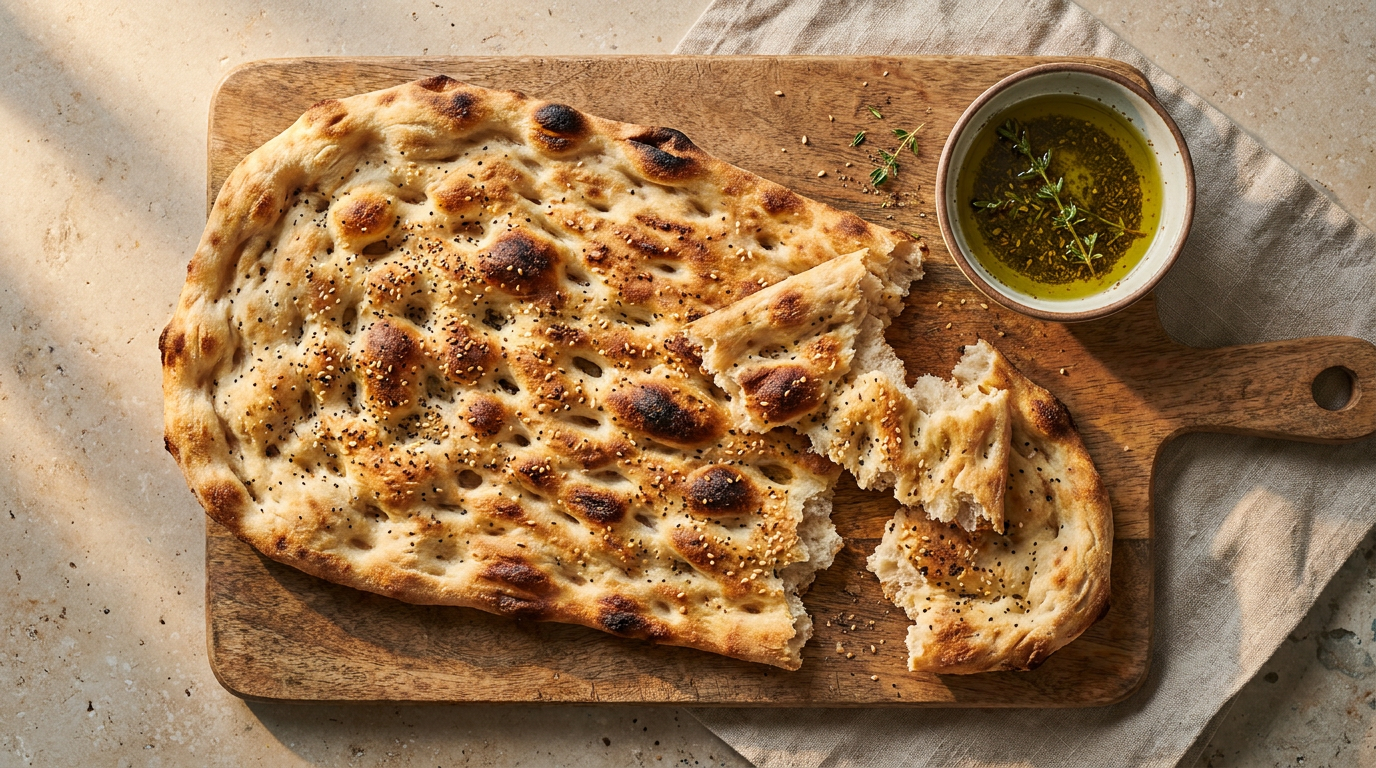
    Sangak (نان سنگک), also known as nan-e sangak, is a traditional Persian flatbread that holds a special place in Iranian cuisine and culture. Unlike other flatbreads, sangak is unique for two reasons: it is baked on a bed of small, hot river stones, and it is made primarily from whole wheat flour, giving it a distinctive nutty flavor and hearty texture.

    The name sangak comes from the Persian word sang (سنگ), meaning “stone” or “pebble”—a direct reference to the traditional baking method that has been used for centuries. The bread is long, typically measuring up to three feet in length, with a dimpled, irregular surface where the dough made contact with the hot stones. These small pockets crisp up beautifully while the interior remains soft and chewy.

    Sangak has been recognized as one of the world’s best breads—CNN named it among the 50 best breads in the world, praising its unique texture and centuries-old baking tradition.

    Persian & Iranian Origins: A Bread with Ancient Roots

    Sangak originated in Persia (modern-day Iran) and has been a staple of Iranian bread-making for over a thousand years. Historically, it was the bread of the Persian army—each soldier carried a small pouch of pebbles, and when they stopped to eat, they would heat the stones and bake dough directly on them. This practical method evolved into the traditional sangak bakeries (sangaki) that still exist throughout Iran today.

    In Persian culture, sangak is more than just food. It is a symbol of hospitality, community, and resilience. It is traditionally served at family gatherings, alongside kebabs, stews (khoresht), and fresh herbs (sabzi). For many Iranians, the scent of fresh sangak baking on hot stones is the smell of home.

    How Sangak Is Made: The Traditional Method

    The traditional method of making sangak is as distinctive as the bread itself. Here is how it is done:

    1. The Dough: A simple dough is made from whole wheat flour, water, salt, and a sourdough starter (or yeast). The whole wheat flour is what gives sangak its characteristic nutty flavor and higher nutritional value.
    2. The Oven: A traditional sangak oven (tanour) is a large, dome-shaped clay oven. A bed of small, hot river stones or pebbles is spread across the oven floor.
    3. The Bake: The dough is stretched into long, thin sheets—often up to three feet in length—and carefully placed onto the hot stones. Within minutes, the bread bakes, developing a dimpled, blistered surface where it contacts the stones.
    4. The Finish: The finished bread is pulled from the oven, often draped over racks or folded into an “S” shape to cool without becoming soggy.

    In the United States, some Persian bakeries use a rotating metal bed with bumpy texture to mimic the stone-baked effect while complying with health regulations. At Breadmasters, we follow traditional recipes while baking in a modern facility, ensuring consistency and food safety without compromising on authenticity.

    Nutritional Benefits: Is Sangak Healthy?

    Yes, sangak is one of the healthiest flatbreads available. Because it is traditionally made with whole wheat flour, it offers nutritional advantages over white-flour flatbreads like pita or lavash.

    NutrientSangak (per 85g serving)
    Calories210
    Protein8g
    Fat1g
    Sodium400mg

    Key Benefits:

    • Whole Wheat Base: Sangak is made primarily from whole wheat flour, meaning it retains the bran and germ of the wheat grain. This provides more fiberprotein, and micronutrients than refined flour breads.
    • Lower Fat: Traditional sangak contains no added oils or fats—just flour, water, salt, and leavening.
    • Sustained Energy: The complex carbohydrates in whole wheat provide steady energy release, making sangak an excellent choice before a meal or as part of a balanced diet.
    • Digestive Health: The fiber content supports healthy digestion and can help with satiety, keeping you fuller longer.

    Dietary Notes: Our sangak is veganNon-GMOKosher, and contains no preservatives. It is made with simple, all-natural ingredients.

    What Does Sangak Taste Like?

    Sangak has a flavor profile that sets it apart from other flatbreads:

    • Nutty & Earthy: The whole wheat flour gives sangak a distinct nuttiness that white-flour breads lack.
    • Slightly Tangy: The sourdough or yeast leavening adds a subtle tang, similar to a good artisanal loaf.
    • Textural Contrast: The magic of sangak is in its texture—crisp, blistered edges where the dough touched the stones, giving way to a soft, chewy interior.
    • Aromatic: When fresh from the oven, sangak has a warm, toasty aroma that signals its stone-baked origins.

    Compared to other breads:

    • Sangak vs. Lavash: Lavash is thinner and more flexible; sangak is heartier with more texture.
    • Sangak vs. Pita: Pita is pocketed and leavened; sangak is long, dimpled, and whole wheat.
    • Sangak vs. Naan: Naan is often enriched with yogurt or milk; sangak is simpler and whole grain.

    How to Use Sangak: Serving Suggestions

    Sangak is one of the most versatile breads in Persian cuisine. Here are traditional and modern ways to enjoy it:

    Traditional Persian Serving

    • With Kebabs: Sangak is the quintessential companion to grilled meats like koobidehbarg, or joojeh kebab. Wrap the kebab in a piece of sangak with fresh herbs and grilled tomatoes.
    • With Stews (Khoresht): Use sangak to scoop up rich Persian stews like ghormeh sabzi or fesenjan.
    • With Breakfast: Serve warm sangak with feta cheese, fresh herbs (sabzi), walnuts, and honey or jam.
    • With Mast-o-Musir: This yogurt and shallot dip is a classic pairing—tear off a piece and scoop generously.

    Modern & Creative Uses

    • Sangak Pizza: Top sangak with sauce, cheese, and your favorite toppings, then bake until crisp. The whole wheat crust adds depth.
    • Sangak Sandwiches: Use sangak as a wrap for grilled vegetables, chicken, or falafel. Its length makes it perfect for rolling.
    • Sangak Chips: Cut sangak into triangles, brush with olive oil, sprinkle with za’atar or sea salt, and bake until crisp. Our pre-made Sangak Crisps offer the same great flavor ready to enjoy.
    • Soup Accompaniment: Warm sangak alongside lentil soup, bean stews, or any hearty broth.

    How to Store Sangak for Freshness

    Sangak is best enjoyed fresh, but it stores and freezes exceptionally well:

    MethodDurationInstructions
    Room Temperature3–5 daysKeep in a sealed bag or wrapped in a cloth.
    Refrigerator2–3 weeksStore in an airtight sealed bag.
    FreezerUp to 6 monthsStack flat with parchment between layers, wrap tightly, and freeze. Do not bend.

    To refresh: Warm frozen or refrigerated sangak in a toaster, skillet, or low oven for a few minutes to restore its crisp edges and soft interior.

    Where to Buy Authentic Sangak Online

    The freshest sangak is the one that arrives at your door. Breadmasters ARA-Z is the #1 sangak producer in the United States, baking fresh daily in California and shipping nationwide. Our sangak is made using traditional recipes with the highest-quality ingredients—no preservatives, no shortcuts.

    Our Sangak Collection:

    ProductDescriptionBest ForShop
    Sangak Plain Flatbread 5-PackThe classic, traditional whole wheat sangak. 14×32-inch sheets.Kebabs, stews, everyday mealsShop Now →
    Sangak Multi-Grain Flatbread 5-PackA nuttier, heartier version with sesame and nigella seeds.Added texture, robust flavorShop Now →
    Sangak No-Seed CrispsThe same great sangak flavor in a crunchy, snackable form.Dipping, snacking, charcuterieShop Now →
    Sangak Sesame-Seed CrispsCrispy sangak chips topped with sesame seeds.Snacking, entertainingShop Now →

    Not sure which to try? Our Sangak Crisps are the perfect introduction to the flavor of authentic Persian sangak—order a box today!

    Frequently Asked Questions

    Q: What does sangak bread taste like?
    A: Sangak has a nutty, earthy flavor from whole wheat flour with a slight tang from fermentation. The texture is the star—crisp, blistered edges give way to a soft, chewy interior.

    Q: Is sangak bread healthy?
    A: Yes! Sangak is one of the healthiest flatbreads. It is made with whole wheat flour, which provides more fiber, protein, and nutrients than refined white flour. Traditional sangak contains no added fats or oils.

    Q: Where can I buy sangak bread online?
    A: You can buy authentic sangak directly from Breadmasters. We bake fresh daily in California and ship nationwide. Shop our full collection at breadmasters.com/shop.

    Q: How is sangak different from lavash or pita?
    A: Sangak is made with whole wheat flour and baked on hot stones, giving it a distinct nutty flavor and dimpled texture. Lavash is thinner and more flexible; pita is pocketed and leavened with white flour.

    Q: How should I store sangak?
    A: Keep sangak in a sealed bag at room temperature for 3–5 days, refrigerate for 2–3 weeks, or freeze for up to 6 months. Refresh in a toaster or low oven before serving.

    Q: Can I freeze sangak?
    A: Yes! Sangak freezes exceptionally well. Stack flat with parchment paper between sheets, wrap tightly, and freeze for up to 6 months. Thaw at room temperature or warm directly in a toaster.

    Q: Is sangak vegan?
    A: Yes, traditional sangak is vegan—made with just whole wheat flour, water, salt, and leavening. Our sangak contains no animal products.

    Q: What is the difference between plain sangak and multi-grain sangak?
    A: Plain sangak is the traditional recipe with whole wheat flour. Multi-grain sangak adds sesame and nigella seeds for extra texture and a slightly nuttier flavor profile.

    Experience the Taste of Persian Tradition

    Sangak is more than bread—it is a living piece of Persian culinary heritage, baked on hot stones for over a thousand years. Whether you are enjoying it alongside a sizzling kebab, topped with feta and herbs for breakfast, or crisped up as a snack, sangak brings authentic flavor and texture that no other flatbread can match.

    Stop searching local markets. Breadmasters delivers fresh, authentic sangak to your door—baked daily in California using traditional recipes and shipped nationwide.

    Shop Sangak Now →

    read more at: https://www.latimes.com/food/dailydish/la-dd-sangak-persian-flatbread-20151030-story.html

  • Khorovats & Kebabs: Best Flatbreads for Authentic Armenian Grilling

    The origins of Armenian Khorovats and Kebabs.
    The origins of Armenian Khorovats and Kebabs.

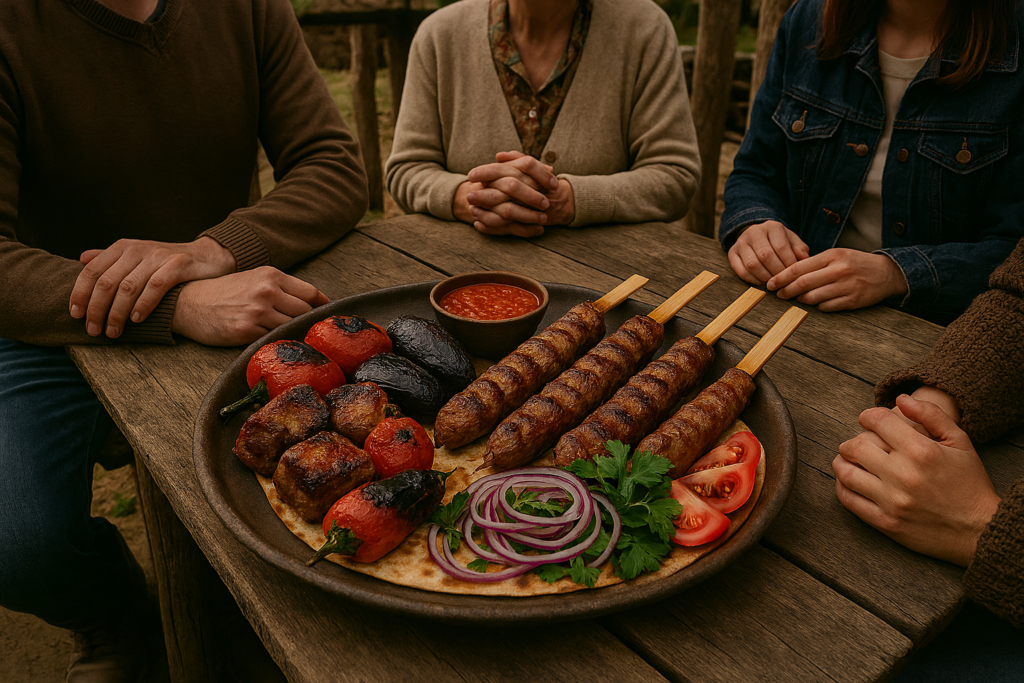
    When Armenians gather for khorovats, it’s not just a meal—it’s a centuries-old tradition that brings families together around the fire. Unlike the marinated kebabs you’ve tried at Middle Eastern restaurants, authentic Armenian khorovats relies on just three ingredients: quality meat, salt, and the perfect flatbread to wrap it all. Here’s what makes this ancient grilling tradition so special—and which breads you absolutely need to serve it right.

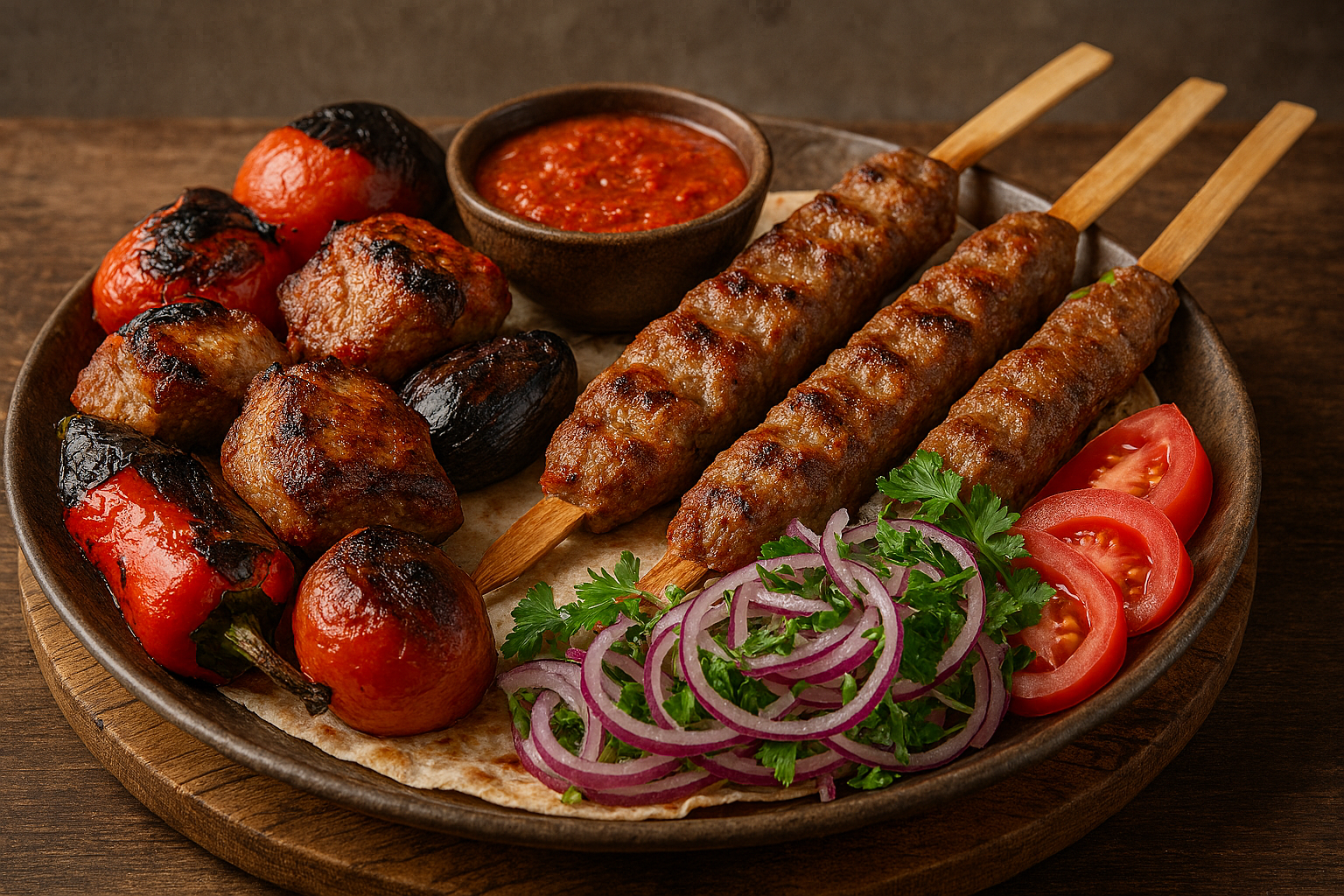
    Khorovats is a dish of pieces of meat grilled on flat skewers known as shish or shampoor. It is very popular, especially on festive occasions. In contrast to shish kebab, the meat pieces are typically larger, and left on the bone. While sometimes coated in salt, pepper, onions, and herbs shortly before cooking, vinegar-based marinades are not used. Various kinds of meat are used, the most common is pork, with ribs being the most popular cut. Vegetables are not cooked on the same skewer.

    Seasoned oblong meatballs cooked on skewers, known in other regions as lule kebab or kufte, are called kyabab, with the emphasis on the first syllable. Karsi khorovats is the Armenian name for doner kebab, which the city of Kars became known for during the time of the Ottoman Empire.

    The Essential Role of Flatbreads

    No authentic khorovats experience is complete without traditional Armenian flatbreads. For centuries, lavash has been the indispensable companion to grilled meats across the Caucasus region. The soft, pliable texture of fresh lavash serves multiple purposes at the Armenian grilling table:

    As a Wrap: Freshly grilled meats are placed directly onto lavash, which absorbs the juices while providing the perfect vessel for wrapping
    As a Plate: Lavash often lines serving platters, keeping meats warm while adding subtle flavor
    As Utensils: Pieces of lavash are torn and used to pick up meat, eliminating the need for forks
    As a Palate Cleanser: The mild, toasty flavor of lavash balances the richness of fatty meats

    Khorovats_and_Kebabs
    Family traditions Khorovats_and_Kebabs


    The tradition of serving grilled meats with flatbread is so deeply ingrained that in many Armenian households, a meal of khorovats is simply incomplete without a stack of warm lavash on the table. You can bring this authentic tradition to your own table with our fresh-baked ARA-Z Lavash, made daily in California and shipped nationwide.

    Regional Origins: Yerevan, Kars, and Lori

    Traditional Armenian Serving Method

    • Grill your khorovats over charcoal until perfectly charred and juicy (approximately 15-20 minutes depending on cut).
    • Warm your lavash briefly on the grill or in a skillet for 15-20 seconds until pliable. Our Markook Thinnest Flatbread is especially delicate and warms in seconds, perfect for this method.
    • Layer the lavash on a large platter, slightly overlapping pieces.
    • Arrange the grilled meats directly on the lavash, allowing juices to soak into the bread.
    • Add accompaniments: Fresh herbs (tarragon, basil, cilantro), sliced onions, and sumac.
    • Serve immediately: Guests tear pieces of lavash, grab meat, and add herbs directly at the table

    Regional Variations Across the Caucasus

    While khorovats is beloved throughout Armenia, preparation styles vary by region:


    Yerevan Style: Urban grilling often features smaller pieces, faster cooking, and more elaborate spice blends. Street vendors in the capital serve khorovats with pickled vegetables and fresh lavash for quick meals. For a taste of Yerevan at home, try our Stone Lavash, which has a hearty texture that stands up well to generous fillings

    Rural Traditions: In villages, whole animals are often roasted on spits for celebrations like weddings and festivals, with the meat served family-style alongside mountains of fresh lavash and bowls of fresh herbs.

    Lori Region: Known for particularly generous portions and a preference for fatty cuts that keep the meat moist during long grilling sessions over slow-burning fires.

    Syunik: Mountain communities incorporate wild herbs gathered from hillsides into their serving accompaniments, adding unique floral and earthy notes to the meal.

    Vayots Dzor: Wine region pairings often feature khorovats served with local red wines, using lavash to alternate between meat sips of wine.

    What Bread to Serve with Khorovats

    The traditional bread for authentic Armenian khorovats is lavash—soft, pliable, and perfect for wrapping around freshly grilled meat. For an ultra-thin, delicate wrap that lets the meat shine, Markook is the preferred choice in many Armenian households.

    Here is how to choose the right bread for your khorovats:

    BreadBest ForTraditional Use
    ARA-Z LavashClassic khorovats wraps, soaking up meat juicesThe everyday bread of Armenian tables—used to wrap, scoop, and serve
    Markook Thinnest FlatbreadDelicate wraps that let the grilled meat be the starPreferred for lighter meals and when you want the bread to complement without overpowering
    Stone LavashHeartier meals, grilled directly on the barbecueTraditional for outdoor grilling—holds up to generous portions

    Pro tip: Warm your lavash or markook briefly on the grill or in a skillet for 15-20 seconds before serving. This makes the bread pliable and enhances its flavor.

    Shop the breads of traditional Armenian khorovats:

    FAQ

    Q: What’s the difference between khorovats and shish kebab?

    A: Khorovats uses larger meat pieces, often left on the bone, with minimal seasoning (salt, pepper, onions) rather than marinades. Shish kebab typically uses smaller, marinated pieces cooked with vegetables on the same skewer. Khorovats is distinctly Armenian, while shish kebab has broader Middle Eastern origins

    Q: What bread is traditionally served with khorovats?

    A: Armenian lavash is the traditional accompaniment. The soft, pliable flatbread is used to wrap grilled meats and soak up juices. Some regions also serve sangak, a pebble-baked Persian bread with distinctive texture, or markook for lighter applications.

    Q: Can I make khorovats at home without a traditional grill?

    A: Yes! While charcoal grilling provides authentic flavor, you can achieve excellent results using:

    • A gas grill with wood chips for smoke flavor
    • A cast-iron grill pan on the stovetop
    • Oven broiling on high heat with a wire rack

    For best results, use our ARA-Z Lavash warmed briefly before serving to achieve that fresh-from-the-bakery texture.

    Q: What meats work best for khorovats?

    A: Pork ribs are the most popular cut in Armenia, but lamb shoulder, beef short ribs, and bone-in chicken thighs are also excellent. The key is using quality meat with good fat content to ensure juiciness during grilling.

    Q: Are there vegetarian versions?

    A: Absolutely! Modern interpretations include:

    • Grilled vegetable skewers (eggplant, bell peppers, mushrooms, onions)
    • Halloumi cheese skewers (holds shape on grill)
    • Stuffed grape leaves served alongside
    • Grilled portobello mushrooms as a meaty alternative

    Pair any of these with our flatbreads for a satisfying vegetarian meal. Our Stone Lavash and Firetail Flatbread are particularly wonderful for wrapping grilled vegetables and halloumi. Try this delicious combination with our Firetail Flatbread, known for its lightly charred, artisan flavor.

    Q: How long does khorovats take to grill?

    A: Cooking times vary by cut:

    • Pork ribs: 15-20 minutes
    • Lamb chops: 8-12 minutes
    • Chicken thighs: 12-15 minutes
    • Ground meat skewers (kyabab): 8-10 minutes

    Cook over medium-high heat, turning occasionally until charred and cooked through.

    Q: How should I store leftover khorovats?

    A: Wrap leftovers in ARA-Z Lavash, then in foil or an airtight container. Refrigerate for up to 3 days. To reheat:

    • Wrap in damp paper towel and microwave 30-60 seconds
    • Warm in a skillet over medium heat
    • Return to grill briefly for refreshed char

    Q: Where can I buy authentic lavash for khorovats?

    A: Breadmasters offers traditional Armenian lavash baked fresh in California and shipped nationwide. Our ARA-Z Lavash is made with the same recipes and methods used in Armenian bakeries for generations. Shop our full selection of authentic flatbreads, including Markook for ultra-thin wraps and Stone Lavash for heartier meals, perfect for your next grilling feast.

  • Armenian Flatbread: Lavash

    There are breads that feed people, and then there are breads that carry the soul of a civilization. Lavash is the latter. Soft, thin, and impossibly versatile, this ancient Armenian flatbread has been baked on the hot walls of clay ovens for thousands of years — long before modern kitchens, long before packaged bread, long before much of the world had developed a written language. Today it is recognized by UNESCO as an Intangible Cultural Heritage of Humanity. And yet, at its heart, it remains what it has always been: flour, water, salt, fire, and the hands of someone who knows how.

    What Is Lavash Bread?

    Lavash is a soft, thin unleavened flatbread of Armenian origin, beloved across the South Caucasus, Western Asia, and the areas surrounding the Caspian Sea. Made from just three ingredients — wheat flour, water, and salt — it is proof that simplicity, when mastered, needs nothing else.

    The thickness of lavash varies depending on how thinly the dough is rolled out. Some sheets are almost translucent, delicate enough to wrap around a sprig of herbs or a sliver of cheese. Others are slightly thicker, more forgiving, perfect for tearing and dipping. Toasted sesame seeds or poppy seeds are sometimes scattered across the surface before baking, adding a gentle nuttiness and visual warmth.

    According to the Encyclopedia International, “Common to all Armenians is their traditional unleavened bread, lav-ash, which is a staple in the Armenian diet.” The name itself carries meaning: folk etymology traces it to “lav-hats” — quite simply, “good bread” in Armenian. Linguists connect it further to the Armenian “lovaz” meaning palm or flat of the hand, and “lavaz” meaning very thin. A bread named for what it is: flat, thin, and good.

    A Bread Baked Through the Ages

    The story of lavash is the story of Armenia itself — ancient, resilient, and deeply tied to the land. Archaeologists working in Armenia have uncovered ancient fire pits strikingly similar to the tonir ovens that are still used to bake lavash today. The method has not changed in any meaningful way. Long sheets of dough are stretched by hand, draped over a special oval cushion, and slapped against the hot interior walls of a conical clay oven. Within thirty seconds to a minute, the bread is done — pulled from the wall while still steaming, blistered in places, impossibly thin.

    That continuity — the same motion, the same oven, the same bread across millennia — is part of what makes lavash so extraordinary. Generations of Armenian women have passed the skill from mother to daughter, from grandmother to granddaughter, each learning the feel of properly stretched dough, the rhythm of the oven, the particular scent of lavash in the last seconds before it is ready.

    Lavash is also distinctly Armenian in identity. As the linguist H. Adjarian noted in 1926:

    “Lavaš is considered to be Armenian bread in both Yerevan and Iran (being opposed with sangak for Turks and Persians), and in Tehran this bread is called nūn-i armanī ‘Armenian bread’. Similar data can be found also for other regions. In Dersim, for instance, lavaš is seen as characteristic for Armenian hospitality whereas the Kurdish entertain with sači haċʿ”

    UNESCO Recognition: A Heritage Worth Protecting

    In 2014, the world formally acknowledged what Armenians had always known. Lavash was inscribed on UNESCO’s Representative List of the Intangible Cultural Heritage of Humanity — not just as a food, but as a living cultural practice. Armenia’s Foreign Ministry announced that the “preparation, meaning and appearance of traditional bread as an expression of culture in Armenia” had been included during the 9th Session of UNESCO’s intergovernmental committee in Paris.

    UNESCO’s own description captures why it matters so deeply:

    Lavash is a traditional thin bread that forms an integral part of Armenian cuisine. Its preparation is typically undertaken by a small group of women, and requires great effort, coordination, experience and special skills. A simple dough made of wheat flour and water is kneaded and formed into balls, which are then rolled into thin layers and stretched over a special oval cushion that is then slapped against the wall of a traditional conical clay oven. After thirty seconds to a minute, the baked bread is pulled from the oven wall. Lavash is commonly served rolled around local cheeses, greens or meats, and can be preserved for up to six months. It plays a ritual role in weddings, where it is placed on the shoulders of newlyweds to bring fertility and prosperity. The group work in baking lavash strengthens family, community and social ties. Young girls usually act as aides in the process, gradually becoming more involved as they gain experience. Men are also involved through the practices of making cushions and building ovens, and pass on their skills to students and apprentices as a necessary step in preserving the vitality and viability of lavash making.

    Two years later, in 2016, making and sharing flatbread — lavash, katyrma, jupka, and yufka — in communities of Azerbaijan, Iran, Kazakhstan, Kyrgyzstan, and Turkey was also inscribed on the UNESCO list. But lavash remains, at its core, Armenian bread. The recognition did not create its importance. It simply confirmed what had been true for thousands of years.

    Types of Lavash at Breadmasters

    Not all lavash is the same. The tradition has evolved across regions and generations, giving rise to different styles, each with its own character and best use. At Breadmasters, the lavash family includes:

    ProductCharacterBest For
    ARA-Z Lavash FlatbreadThe classic. Soft, pliable, thin — the most traditional expression of Armenian lavashWraps, rolling, traditional serving
    Markook Thinnest FlatbreadUltra-thin, almost translucent. The most delicate of the lavash familyKebab wraps, delicate rolls, lavash chips
    Stone Lavash Whole WheatHeartier texture, wholesome flavour from whole wheat flourSandwiches, dipping, tearing
    ARA-Z Variety PackA selection of Breadmasters lavash styles in one boxFirst-time buyers, gifts, exploring the range

    Each is baked in California using time-honoured methods that have defined Armenian lavash for generations. No preservatives, no unnecessary additives — just the bread as it was always meant to be.

    How to Use Lavash Bread

    Lavash is one of the most versatile breads in the world. Its thin, flexible nature means it can go where thicker breads cannot, and its mild, slightly earthy flavour means it complements rather than competes with whatever it carries.

    Wraps and Rolls

    This is lavash at its most natural. Lay a sheet flat, layer grilled meats, roasted vegetables, fresh herbs, and a drizzle of sauce, then roll tightly. The bread holds its shape without cracking. Traditional Armenian khorovats — grilled meat — wrapped in fresh lavash is one of the great simple pleasures of the cuisine.

    Served Alongside Meals

    In Armenian households, lavash appears at almost every meal as a companion rather than a focus. Tear a piece and use it to scoop up hummus, moutabal, or a bowl of thick yoghurt. Lay it next to a cheese board. Use it to mop up the last of a rich stew. There is no more honest way to eat bread.

    Lavash Pizza

    The thinness that makes lavash perfect for wrapping makes it equally perfect as a pizza base. Top with sauce, cheese, and toppings, then bake at high heat until the edges crisp. The result is a flatbread pizza with a cracker-like crunch that thicker bases simply cannot achieve.

    Lavash Chips

    Cut or tear lavash into pieces, brush lightly with olive oil, sprinkle with sea salt or za’atar, and bake until golden and crisp. Lighter than crackers, more flavourful than crisps, and gone within minutes of leaving the oven.

    Dried and Crumbled

    Lavash that has dried out is not wasted — it is transformed. Crumble dried lavash into Armenian khash (a traditional bone broth soup) or any hearty broth for depth and texture. This is one of the oldest uses of the bread, stretching back through centuries of Armenian winters.

    How to Store Lavash Bread

    One of lavash’s most remarkable qualities is its longevity. As UNESCO notes, it can be preserved for up to six months when dried properly — a feature that made it invaluable across the Caucasus through long winters. For modern households, storage is straightforward:

    MethodDurationHowBest For
    Room temperature3–5 daysSealed bag or wrapped in clothDaily use
    Refrigerator2–3 weeksSealed airtight bagRegular use
    FreezerUp to 6 monthsStack flat, wrap tightlyBulk buying
    Dried intentionallySeveral monthsLeave unwrapped in dry airSoups, chips

    To refresh dried lavash, sprinkle both sides lightly with water, wrap in a damp cloth, and leave for five minutes. To thaw frozen lavash, leave at room temperature for 20–30 minutes or warm briefly in a low oven.

    Bring Home the Taste of Armenian Heritage

    Lavash isn’t just bread — it’s a symbol of Armenian culture, recognized by UNESCO and cherished for millennia. Experience the authentic taste baked for thousands of years, made fresh and shipped to your door.

    Our Lavash Collection

    ARA-Z Lavash FlatbreadThe classic, all-purpose traditional lavashShop Now →
    Markook Thinnest FlatbreadUltra-thin for delicate wraps and rollsShop Now
    Stone LavashHearty texture perfect for sandwiches and dippingShop Now →
    Variety PackTry all three and find your favoriteShop Now →

    Shop All Lavash →

    Frequently Asked Questions

    What is lavash bread made of?

    Lavash is made from just three ingredients: wheat flour, water, and salt. There are no leavening agents, no preservatives, and no additives in traditional lavash. Its simplicity is part of what has kept the recipe unchanged for thousands of years.

    Is lavash bread healthy?

    Lavash is one of the leaner flatbreads available. Because it contains no yeast, oil, or added fats, it is lower in calories than most other breads of comparable size. Whole wheat varieties like Stone Lavash provide additional fibre and nutrients. It is also naturally vegan and dairy-free.

    What is the difference between lavash and pita?

    Pita is a leavened flatbread that puffs up during baking, creating a pocket inside. Lavash is unleavened and remains flat and thin. Lavash is better for wrapping and rolling, while pita is ideal for stuffing. Both are delicious — they simply serve different purposes.

    How long does lavash bread last?

    Fresh lavash keeps at room temperature for 3–5 days in a sealed bag. Refrigerated, it stays fresh for 2–3 weeks. Frozen, it can last up to six months. Dried lavash can be kept for months and rehydrated as needed — a traditional preservation method used across Armenia and the Caucasus.

    Where can I buy authentic lavash bread online?

    Breadmasters ships authentic Armenian lavash fresh from our California bakery across the United States. Our ARA-Z Lavash, Markook Thinnest Flatbread, Stone Lavash, and Variety Pack are available at breadmasters.com/shop. All breads are made using traditional recipes with no preservatives.


    Read more at: https://www.peopleofar.com/2014/06/03/armenian-flatbread-lavash/
  • A Short History of Khash

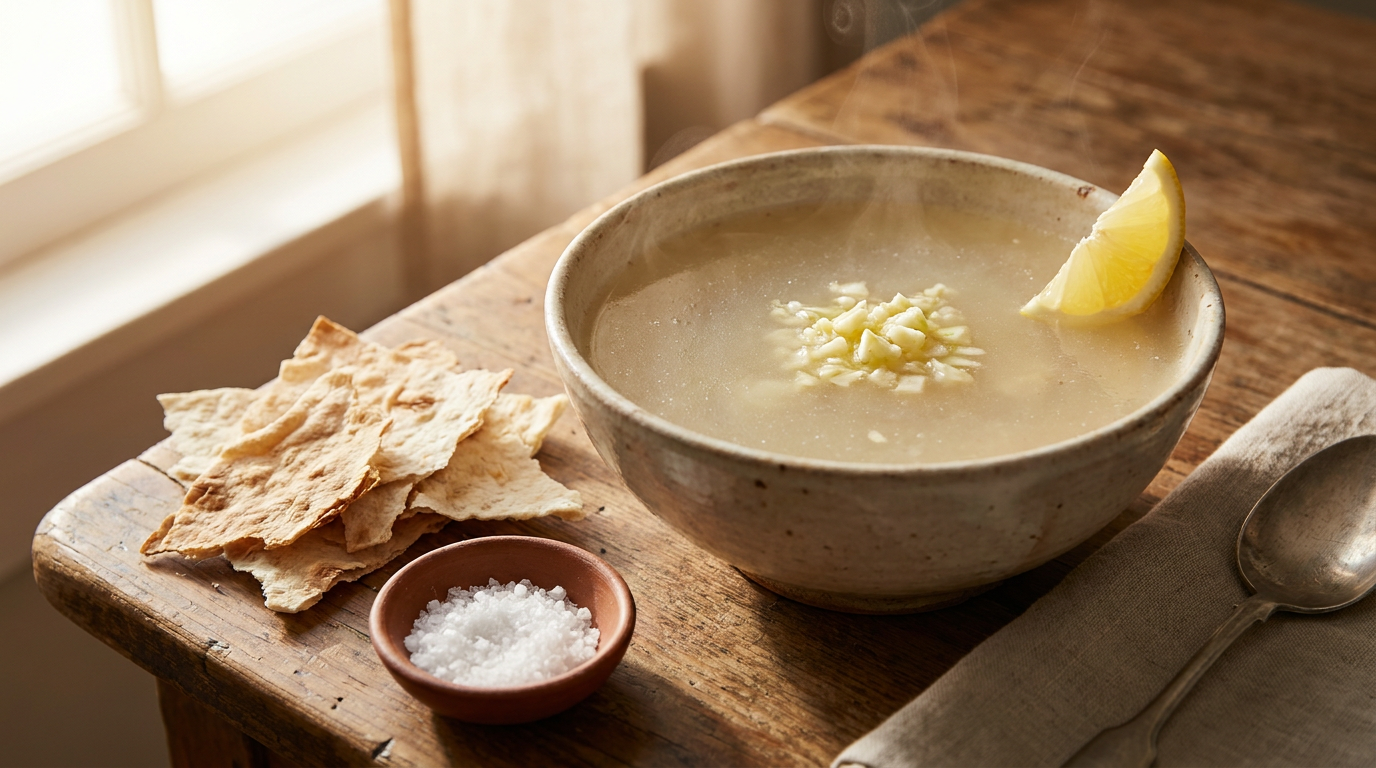
    A recipe for the Armenian soup called khash, at its most basic, goes something like this: Simmer cows’ hooves overnight. Serve. Traditionally, khash is served with dried lavash, which is crumbled into the broth. Our ARA-Z Lavash Flatbread is perfect for this — simply dry pieces in a warm oven overnight for an authentic experience. Gelatinous beef trotters—flavored tableside with sinus-clearing add-ins like lemon, salt, vinegar and raw garlic—may sound like the last thing you’d reach for when nursing a hangover, but Armenians swear by khash’s panacean powers, particularly in the winter, when it’s customarily eaten. The dried lavash soaks up the rich broth beautifully. For a heartier texture, try our Stone Lavash, which holds up well when crumbled into soups. Across the small Caucasus nation, friends gather for morning-after khash feasts complete with ritualistic toasts and—as Anthony Bourdain discovered while shooting a Parts Unknown episode set to air in March—punishing hair-of-the-dog vodka shots. Offal soups are quintessential hangover fare across many cultures, from Mexican menudo rojo to Albanian paçe to Korean haejangguk, but none, perhaps, is as much of an event as Armenian khash. “Khash parties are all-day affairs,” said Samvel Hovhannisyan, owner of Bureaucrat Café and Bookstore in Yerevan. “After you’ve eaten the soup in the morning and made the accompanying toasts—to the day, to the cooks, and to the guests, in that order—you drink and sing and dance like crazy. When people get hungry again, you might have a barbecue, followed by coffee and tea and sweets.” Even the soup’s preparation is a production. The hooves must be plucked meticulously of any stray hairs and soaked in water for a day to remove impurities and funky odors. Then comes the cooking, an eight-hour simmer requiring hourly check-ins, lest the pot dry out. Khash-fueled breakfasts start around 9 a.m., which means cooks often literally lose sleep over the dish. “It’s a sacrifice,” said Hovhannisyan. “That’s why the toast to the cook is so important.” For the broth to remain white and nearly transparent, the mark of a well-made khash, Armenian cooks don’t add salt to the pot during cooking: It’s up to the end user how much salt and other traditional flavorings to mix into the finished soup. Armenians are known to add up to eight cloves’ worth of garlic to each portion. Two types of lavash, or flatbread, always grace the table: dry, for crumbling into the broth, and fresh, for draping over the bowl to seal in the heat. Purists, like Hovhannisyan, insist that fresh lavash—torn and folded for easy scooping—is the only acceptable utensil for eating khash, and that vodka, never wine or beer, is its only worthy sidekick.

    Traditionally, khash feasts were restricted to men, who also presided over the preparation of the soup — a novelty in a region with a culinary tradition dominated by the females. The pungent aromas of the soup, and its associated vodka troughs, were once deemed unacceptable to women. In addition, men and women traditionally eat separately in Armenia, so considering the ancient origins of Khash, it is no wonder the division persisted.

    Khash lovers in present-day Armenia are young and old, wealthy and poor. But it goes without saying in a world where almost one-third of the population lives in poverty that not everyone has the resources to throw lavish feasts.

    🍲 Experience Khash the Authentic Way

    Khash is a cherished Armenian tradition, and the right lavash makes all the difference. Our flatbreads are baked fresh daily using traditional methods — the perfect accompaniment to this historic dish.

    Perfect for Khash

    ARA-Z Lavash FlatbreadThe classic choice — dry and crumble into your brothShop Now →
    Stone LavashHeartier texture that holds up in soupShop Now →
    Variety PackTry both and find your favoriteShop Now →

    Shop All Lavash →