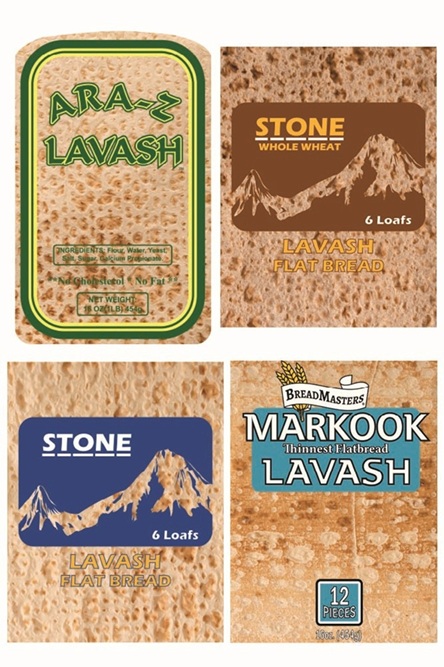
Armenian flatbread baked using time-honored methods is becoming harder to find, but we’ve been preserving this tradition for over 32 years. At Breadmasters ARA-Z, we craft lavash bread, sangak and markook in our Commerce, California bakery, following armenian flatbread recipes passed down through generations of Armenian bakers. Our family’s dedication to authentic baking means no artificial preservatives or shortcuts. We use wholesome ingredients and ancient techniques. In this piece, we’ll share our story and explain what makes our flatbreads authentic. You’ll also learn how to enjoy these breads in your own kitchen.
The Story of Breadmasters ARA-Z: 32 Years of Armenian Tradition
Our Family Heritage
We founded Breadmasters ARA-Z in 1994, but our story begins much earlier than that. Our founder, Ara Zethilan, is a second-generation baker who was born in his father’s bakery in Lebanon. Bread wasn’t just our business. The fabric of our family identity was woven with it from the very beginning.
Ara grew up surrounded by flour-dusted ovens and the aroma of fresh-baked flatbread. This shaped everything he knew about food, family and community. His father passed down recipes and an entire philosophy about bread-making. Armenian tradition holds that the preparation of lavash was a ritual that brought families together, accompanied by conversations, songs and prayers. We carry that same spirit into our bakery.
Bread holds sacred meaning for Armenians. UNESCO recognized Lavash as an Intangible Cultural Heritage in 2014 and acknowledged its role as an expression of Armenian culture. This wasn’t just validation. It was a reminder of what we’ve always known: bread connects us to our ancestors and our identity.
The Experience from Armenia to America
Armenian families brought their bread-making traditions to America out of necessity and love. Political upheaval and conflict throughout the 20th century scattered Armenians across the globe. They settled in new communities while holding onto their cultural touchstones. Many families opened bakeries as both a survival strategy and a way to preserve heritage.
We set up our bakery in Commerce, California, and joined a wave of Armenian bakers who introduced traditional flatbreads to Southern California. Families fled Lebanon’s civil war in the 1980s and founded the first Armenian bakeries in Los Angeles. They opened shops in North Hollywood and Glendale. We followed in their footsteps and brought authentic lavash, sangak and markook to our community.
We weren’t just selling bread. We were building bridges. Armenian bakeries became popular beyond the Armenian community and introduced traditional flatbreads to neighbors who had never experienced these ancient recipes. We watched our customer base grow from Armenian families who sought a taste of home to restaurants and home cooks across America.
Why We Started Making Traditional Flatbread
We started Breadmasters ARA-Z because authentic Armenian flatbread was disappearing from American tables. Mass production couldn’t replicate the techniques Ara learned in his father’s bakery. Commercial operations took shortcuts that stripped away the soul of traditional baking.
Our mission became clear: preserve the centuries-old methods that make Armenian flatbread authentic. We source traditional ingredients and follow time-honored recipes passed down through generations of Armenian bakers. We refuse to compromise quality for convenience. Each flatbread we produce connects to archeological evidence showing lavash was baked in the Armenian Highlands as far back as the 3rd millennium BCE.
We’ve been the premier Armenian flatbread bakery in the United States for over 32 years now. We operate our family-run business with the same values that motivated Armenian bakers before us: hard work, determination and love for family and culture. You taste our lavash bread or traditional markook and experience more than food. You’re tasting heritage, preserved one batch at a time in our Commerce bakery.
What Makes Armenian Flatbread Authentic
Authenticity in bread-making isn’t about complexity. It’s about respecting the wisdom of methods refined over thousands of years.
Traditional Ingredients We Use
Our lavash bread starts with the same three ingredients Armenian bakers have used for millennia: wheat flour, water, and salt. That’s it. No preservatives, no dough conditioners, no shortcuts. Many traditional Armenian bakers prepare lavash using an “old dough” method, where a fermented remnant from the previous batch, called ttkhmor, acts as a natural sourdough starter. This yeasty starter gives the bread a tart flavor and creates those characteristic charred, bubbly spots on the surface.
We’ve adapted this ancient technique for our modern bakery while maintaining the process’s integrity. Some recipes call for a small amount of yeast or baking soda to help with leavening, but the foundation remains unchanged. These ingredients’ simplicity allows quality wheat flour’s flavor to shine through in every bite.
The Ancient Baking Process
Walk into our Commerce bakery and you’ll see methods that haven’t changed since the 6th century B.C., when tonirs were first found in caves in Armenia’s Areni region. The traditional process involves a small group of women working together. They roll dough into balls and stretch those balls into thin layers across a special oval cushion padded with wool or hay.
The coordination required is remarkable. A baker takes the cushion with stretched dough and plunges it into the tonir. The dough slaps against the hot clay wall. The bread bakes in thirty seconds to a minute. The lavash begins to bubble and puff, developing its final shape from the intense heat. Then it’s pulled from the oven wall using a long metal hook.
This group work strengthens family and community ties. Traditional Armenian households saw the family’s eldest woman blend the dough at sunrise, and the whole process was accompanied by conversations, songs, and prayers. We keep that spirit alive in our bakery, even as we’ve scaled production.
What Is Armenian Flatbread Called
Lavash is the Armenian name for this traditional thin bread. The word appears across multiple languages with slight variations: լավաշ in Armenian, lavaş in Turkish, nanê loş in Kurdish, لواش in Persian, and ლავაში in Georgian. UNESCO inscribed “lavash, the preparation, meaning and appearance of traditional bread as an expression of culture in Armenia” on its Intangible Cultural Heritage list in 2014.
Regional variations exist throughout Western Asia and the areas surrounding the Caspian Sea. What you call it depends on where your family originated, but the essence remains the same.
How Lavash Bread Is Different from Other Flatbreads
Lavash is paper-thin compared to most flatbreads. Tortillas are chunkier and pita bread develops a pocket, while lavash stays flat and pliable. The thickness makes all the difference. We roll our dough to ⅛ inch or thinner. This creates a bread that’s soft enough for wraps yet sturdy enough to dip into stews.
Lavash can be made leavened or unleavened based on preference, unlike pita. The baking method also sets it apart. A tonir cooks lavash from both sides through conductive heat from the clay wall and radiant heat from the fire below. This dual-heat approach creates the distinctive texture: burnt crispy spots on a bread that remains soft and pliable.
Fresh lavash is soft, but it can also be dried for preservation, lasting up to six months. Rehydrate it by misting with water and letting it rest under a towel.
Our Armenian Flatbread Collection
Our bakery produces four distinct types of flatbread, each serving different culinary traditions and purposes.
Classic Armenian Flatbread Lavash
Our classic lavash remains the life-blood of what we do. This soft, pliable bread is served rolled around local cheeses, greens, or meats. Fresh lavash works beautifully for wraps. Dried lavash can be preserved for up to six months. To rehydrate it, mist the bread with water and cover it with a towel until it softens and becomes pliable enough to roll without cracking.
The versatility makes it indispensable in Armenian kitchens. Wrap it around grilled meats, dip it into hummus or baba ganoush, or stuff it with vegetables for a quick lunch. Armenian culture gives lavash a ritual role in weddings, where it’s placed on the newlyweds’ shoulders to bring fertility and prosperity.
Lahmajun Armenian Flatbread
Lahmajun, often called Armenian pizza, features a thin, crispy flatbread base topped with seasoned ground lamb or beef. The topping is more like a meaty veneer than a sauce, spread paper-thin across the dough before baking. We blend the meat with finely ground onion, red bell pepper, garlic, parsley, tomato paste, and warm spices including allspice and paprika.
The topping emerges from the oven steaming and moist but not wet, thanks to draining excess water from the vegetables before mixing. We bake each flatbread at 500 degrees until the crust browns around the edges in about five minutes. Serve it with a squeeze of fresh lemon juice or roll it around a crisp vegetable salad, burrito-style.
Very Thin Crispy Armenian Flatbread Varieties
Those who want an exceptionally thin option will find our crispy varieties perfect for dipping or baking into chips. These versions are rolled even thinner than standard lavash and create delicate, brittle crackers when dried.
Traditional Markook and Authentic Sangak Options
Our Markook, also known as Saj bread, is the thinnest lavash available. These large 9″x12″ sheets are soft and pliable, ideal for authentic wraps and shawarma without breaking. Each package contains 48 pieces total and offers incredible value. Customers use Markook to cut carbs and appreciate its wholesome ingredients and thinness.
Our authentic Sangak bread is baked on a bed of small river stones, just as Persian armies did starting in the 11th century. We offer both Sangak Plain and Sangak Multi-Grain varieties topped with poppy or sesame seeds. The stones create Sangak’s characteristic corrugated texture.
Ready to experience these traditional flatbreads? Shop now at and bring authentic Armenian baking to your table.
What Our Customers Say About Breadmasters ARA-Z
Restaurant owners who choose our flatbread tell us the same thing: authenticity matters to their customers. Successful Armenian restaurants make hundreds of fresh flatbreads daily because diners can taste the difference between traditional methods and shortcuts. You can’t fake it when you’re serving a community that grew up eating lavash at their grandmother’s table.
Reviews from Restaurant Owners
Restaurant kitchens demand consistency and quality. Chefs who order from us appreciate that our flatbread arrives ready to use and maintains the soft texture and pliable nature that makes Armenian flatbread lavash irreplaceable for wraps and accompaniments. Several restaurant owners have expanded their customer base beyond Armenian diners because our traditional flatbread introduces new audiences to authentic flavors they’ve never experienced.
One pattern emerges again and again: restaurants that serve our flatbread create an atmosphere that transports diners back to Armenia. Some customers describe the experience as visiting grandma’s house, where the same food and environment bring back memories. That’s what we want to preserve with every batch we bake.
Home Cooks Share Their Experience
Home cooks value different qualities in our flatbread. They mention the simplicity first. A flatbread stuffed with finely diced herbs and green vegetables is both simple and filling, perfect for weeknight dinners or weekend entertaining. The versatility appeals to families who want to cut carbs or seek lighter alternatives to traditional bread.
Our customers appreciate that they can wrap grilled vegetables, turkey, or hummus for satisfying lunches without complicated preparation. Some crisp our very thin crispy Armenian flatbread in the oven for lavash chips and pair them with dips for gatherings. The traditional markook works beautifully for authentic wraps that don’t break or tear.
How Our Flatbread Brings Families Together
Lavash has always strengthened family and community ties. The group work involved in traditional baking created bonds that extended beyond the kitchen. Families who gather around our flatbread participate in that same communal experience.
Customers tell us our lavash brings a fresh-baked touch to their tables and connects them to heritage even when they’re thousands of miles from Armenia. What we’re selling isn’t just flatbread. We’re preserving the ritual, the memory, and the cultural expression that makes Armenian bread meaningful across generations.
How to Order and Enjoy Our Flatbread
Where to Buy Breadmasters ARA-Z
You can order our authentic Armenian flatbread with ease. Shop now at and browse our complete collection. Our ARA-Z Lavash Flatbread starts at $31.99. Mini lavash 6-packs are available for $38.99. Our Lavash Variety Pack costs $32.99 if you want variety. Our traditional markook is the thinnest flatbread option and ranges from $32.99 to $55.99. Authentic sangak lovers can choose Plain Flatbread 5-packs at $54.99 or multi-grain varieties at $55.99.
Simple Armenian Flatbread Recipe Ideas
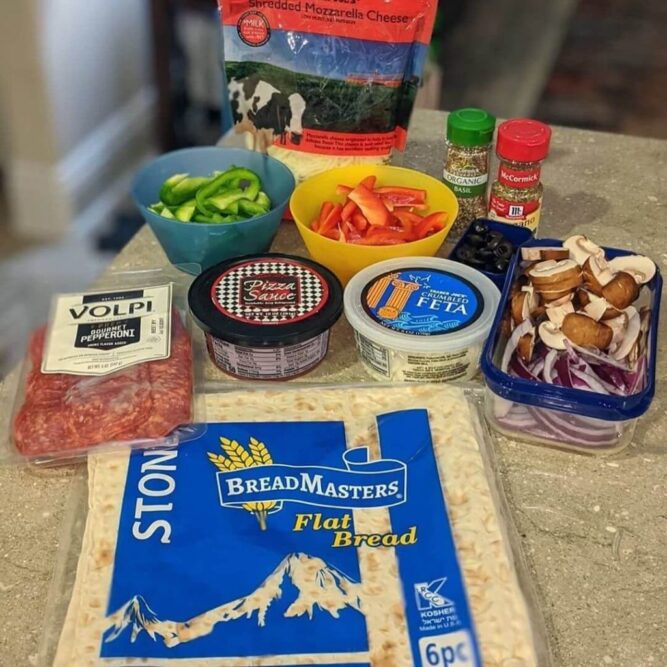
Lavash bread works well in savory and sweet applications. Wrap scrambled eggs, hash browns and cheese inside fresh lavash at breakfast. Fill it with grilled chicken, vegetables or falafel at lunch and make satisfying wraps. Cut lavash into wedges and brush with olive oil. Season with herbs and bake until crispy. You get homemade chips that pair well with hummus or baba ganoush. Use lavash as thin-crust pizza at dinner and top it with sauce and cheese. You can even create dessert wraps by spreading Nutella or fruit preserves inside.
Storage and Reheating Tips
Fresh lavash tastes best the same day, but proper storage extends its life. Store it in a ziplock bag at room temperature up to 3 days. You can freeze it layered with parchment paper up to 1 month. Mist dried lavash with water and cover with a towel until it becomes pliable again.
Never reheat flatbread in the microwave. This makes it rubbery. Preheat a skillet over medium heat instead and place the flatbread inside. Cover with a lid. Sprinkle water on the bread before covering so you create steam. Heat several minutes until warm, then remove the lid and crisp the crust.
Conclusion
Armenian flatbread represents more than just food for us at Breadmasters ARA-Z. We’ve preserved ancient baking techniques for over 32 years because these traditions connect families to their heritage. Each flatbread we craft in our Commerce, California bakery follows the same methods Ara learned in his father’s bakery. From classic lavash and lahmajun to traditional markook and sangak, we honor these time-tested recipes.
Whether you’re a restaurant owner seeking authentic flavors or a home cook learning about Armenian cuisine, our flatbreads bring generations of tradition to your table. Visit now to experience the difference that traditional baking makes and taste the heritage we’ve preserved in every batch.
FAQs
Q1. What is the traditional name for Armenian flatbread?
A1. Lavash is the traditional Armenian name for this thin flatbread. It’s made from wheat dough and traditionally baked in a clay oven called a tonir. The word appears across multiple languages with slight variations, but lavash remains the most recognized term for this ancient bread that has been part of Armenian culture for thousands of years.
Q2. Is lavash considered part of Armenian or Iranian cuisine?
A2. Lavash is a traditional bread that forms an integral part of Armenian cuisine and cultural heritage. In 2014, UNESCO recognized lavash as an Intangible Cultural Heritage of Armenia, acknowledging its role as an expression of Armenian culture. While variations of flatbread exist across the region, lavash has deep roots in Armenian tradition dating back to the 3rd millennium BCE.
Q3. What are the health benefits of eating lavash bread?
A3. Lavash is a lighter bread option that’s low in fat and contains no cholesterol. Traditional lavash is made with simple, wholesome ingredients: wheat flour, water, and salt, without artificial preservatives or additives. However, since it’s primarily made from refined carbohydrates when using white flour, it’s best consumed in moderation as part of a balanced diet.
Q4. How is lavash different from other types of flatbread?
A1. Lavash is exceptionally thin compared to most flatbreads, rolled to approximately ⅛ inch or thinner. Unlike pita bread which develops a pocket, lavash stays flat and pliable. It’s baked using a unique dual-heat method in a clay oven that creates distinctive charred spots while keeping the bread soft and flexible, making it perfect for wraps and dips.
Q5. How should you store and reheat lavash to maintain its quality?
A1. Fresh lavash can be stored in a ziplock bag at room temperature for up to 3 days, or frozen with parchment paper between layers for up to 1 month. To reheat, never use a microwave as it makes the bread rubbery. Instead, use a covered skillet over medium heat, sprinkling water on the bread to create steam, then remove the lid to crisp the crust.

Leave a Reply
You must be logged in to post a comment.