Welcome to the Breadmasters Flatbread Blog, your resource for authentic recipes, cultural history, and artisan baking insights. From the ancient traditions of Armenian Lavash and Persian Sangak to modern serving ideas, we explore the stories behind the world’s most beloved flatbreads. Discover how these simple breads connect cultures, traditions, and tables
-
Lavash Recipes: 10 Ideas Beyond the Basic Wrap
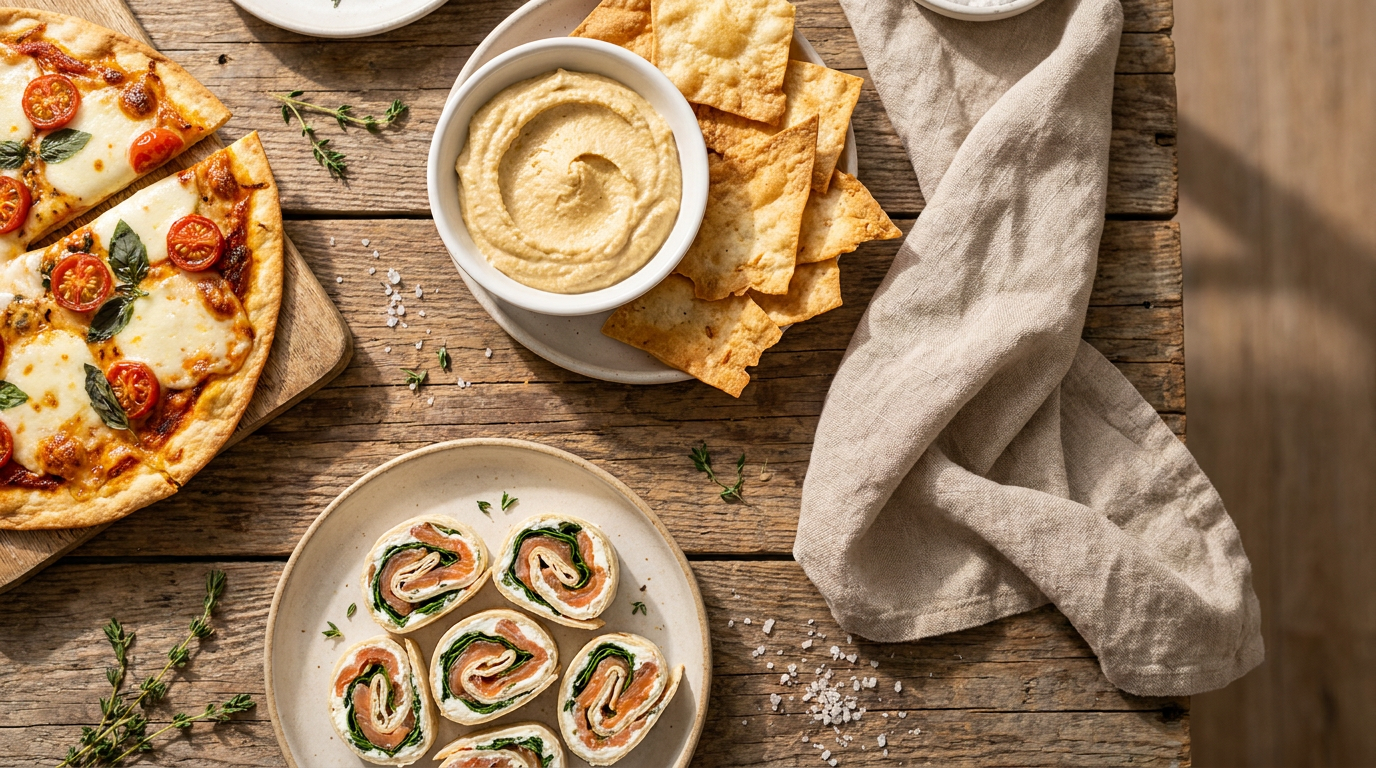
Quick Verdict: The best lavash recipes go far past the classic wrap. From crispy lavash chips and cracker-thin pizza to layered casseroles and even sweet desserts, this paper-thin Armenian flatbread is one of the most versatile ingredients in any kitchen — here are 10 ways to prove it. If you already know lavash as a…
-
Armenian Bread Types: The Complete Guide
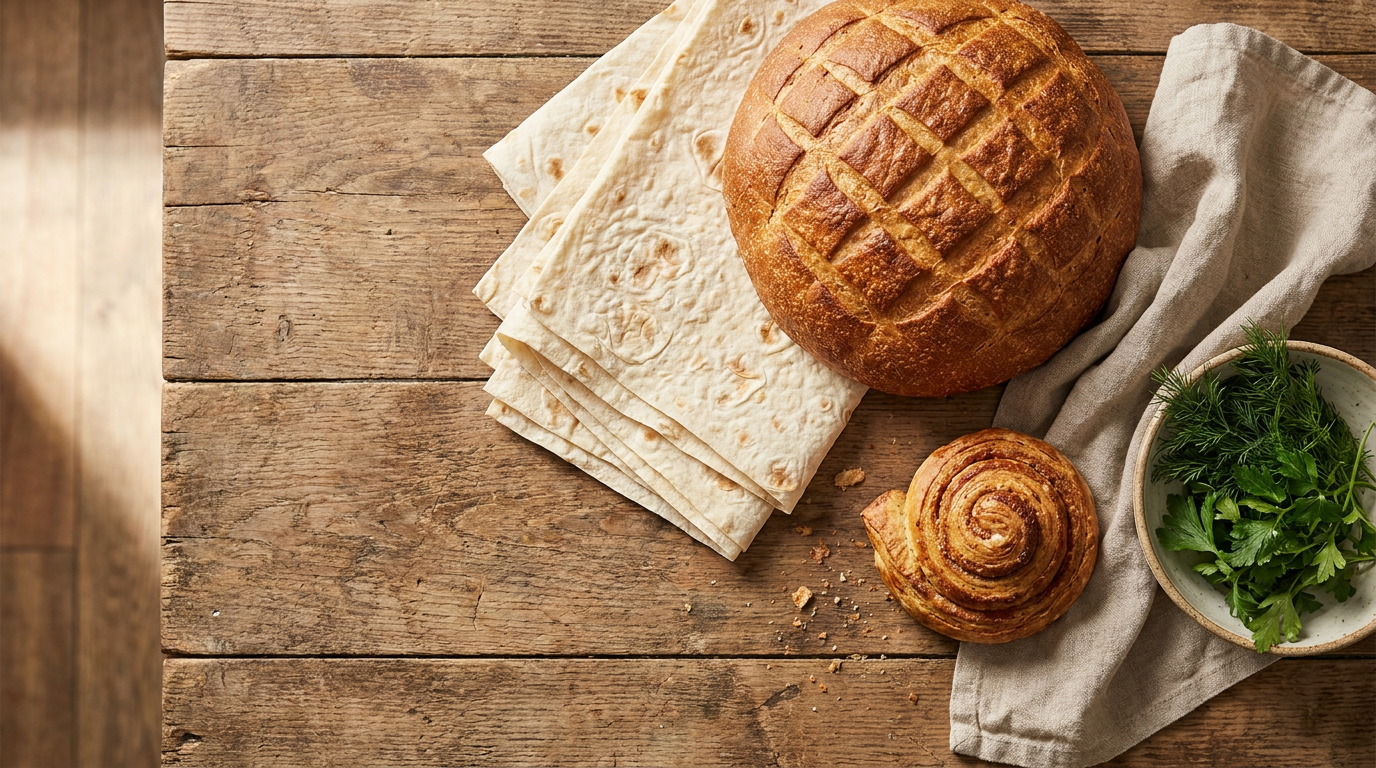
Quick Verdict: There are several distinct Armenian bread types — paper-thin lavash for wrapping, hearty matnakash for the table, savory zhingyalov hats stuffed with herbs, and sweet gata and choreg for celebrations. Each has a specific role, and most Armenian households keep more than one on hand at all times. Understanding the different Armenian bread…
-
Armenian Flatbread: Lavash
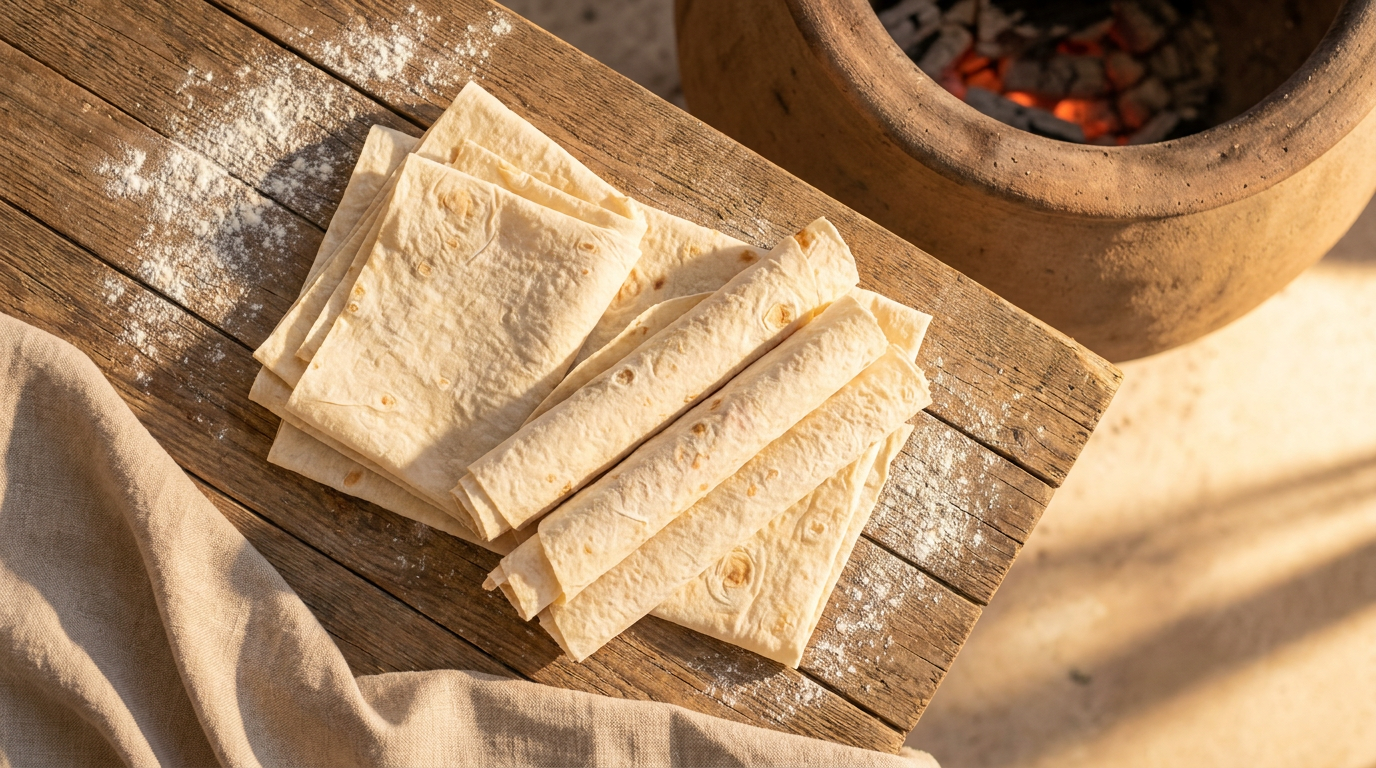
There are breads that feed people, and then there are breads that carry the soul of a civilization. Lavash is the latter. Soft, thin, and impossibly versatile, this ancient Armenian flatbread has been baked on the hot walls of clay ovens for thousands of years — long before modern kitchens, long before packaged bread, long…
-
How to Store Lavash Bread: Keep It Fresh for Weeks
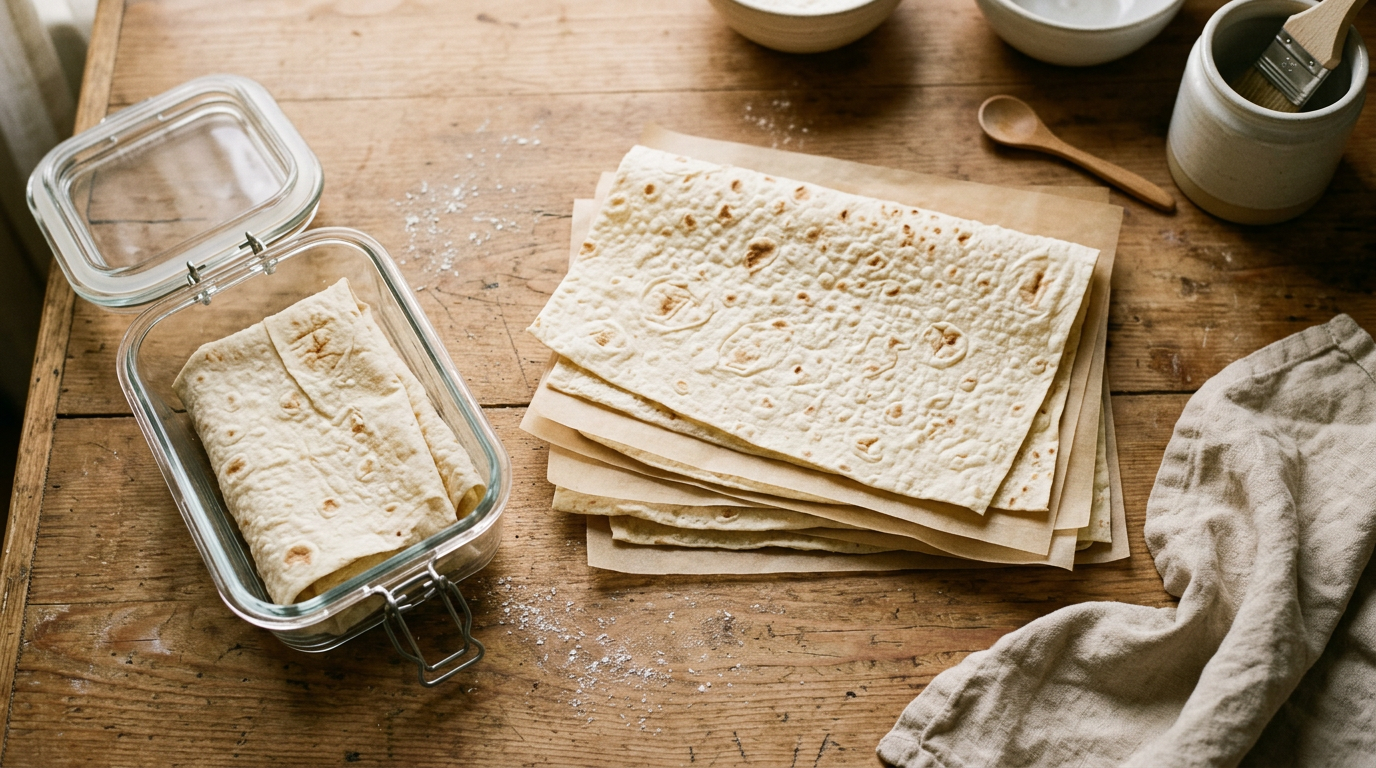
Quick Verdict: Here’s how to store lavash bread properly — 3–5 days at room temperature in a sealed bag, up to 3 weeks refrigerated, and up to 6 months frozen. The trick to keeping it soft isn’t just where you store it — it’s how you seal it and how you bring it back to…
-
Pita vs Lavash: Key Differences & Best Uses
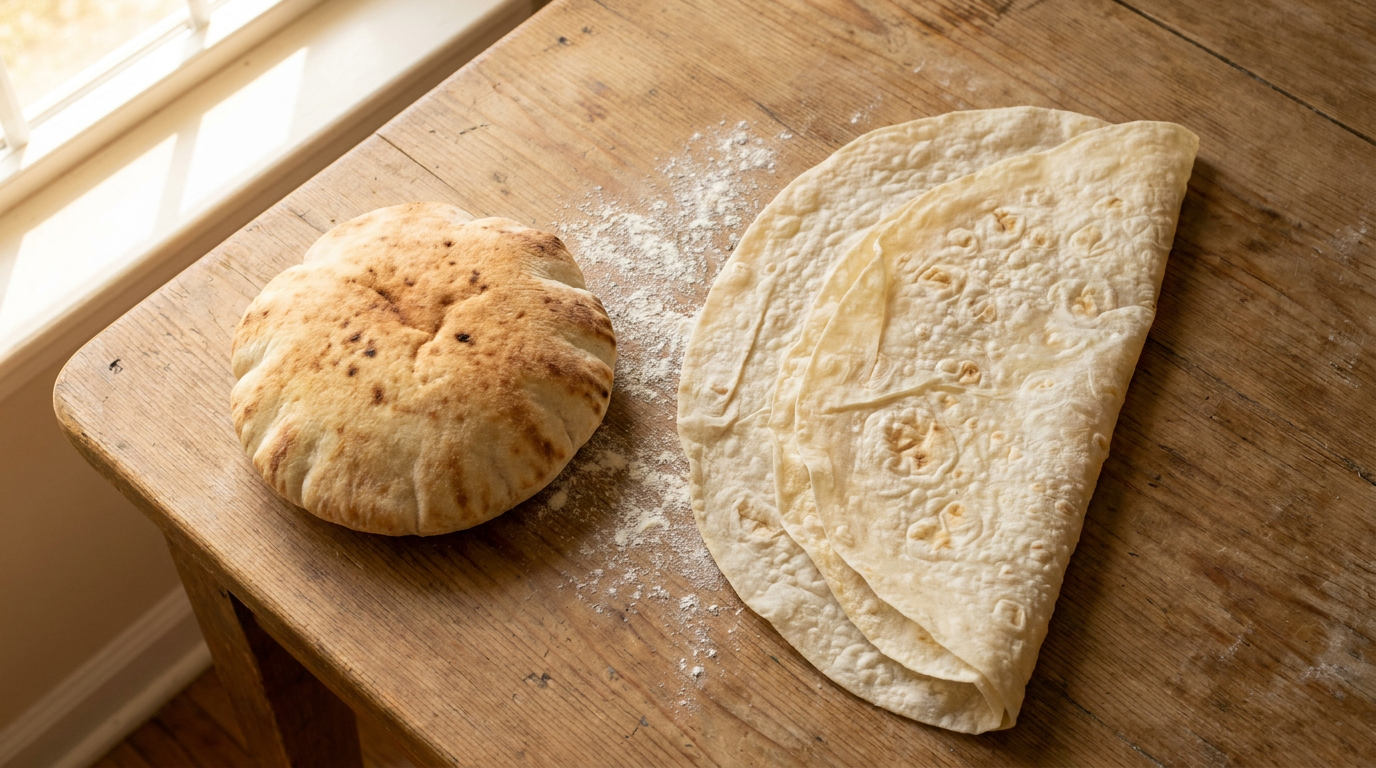
Main Difference The main difference between Pita and Lavash is that the Pita is a soft, slightly leavened flatbread baked from wheat flour and Lavash is a flatbread. Which one should you choose? It depends on what you’re making: Lavash’s thin, pliable texture makes it ideal for rolling around fillings without cracking. Try it with our Markook…
-
What Is Sangak Bread? Persian Flatbread Origins, Nutrition & Where to Buy
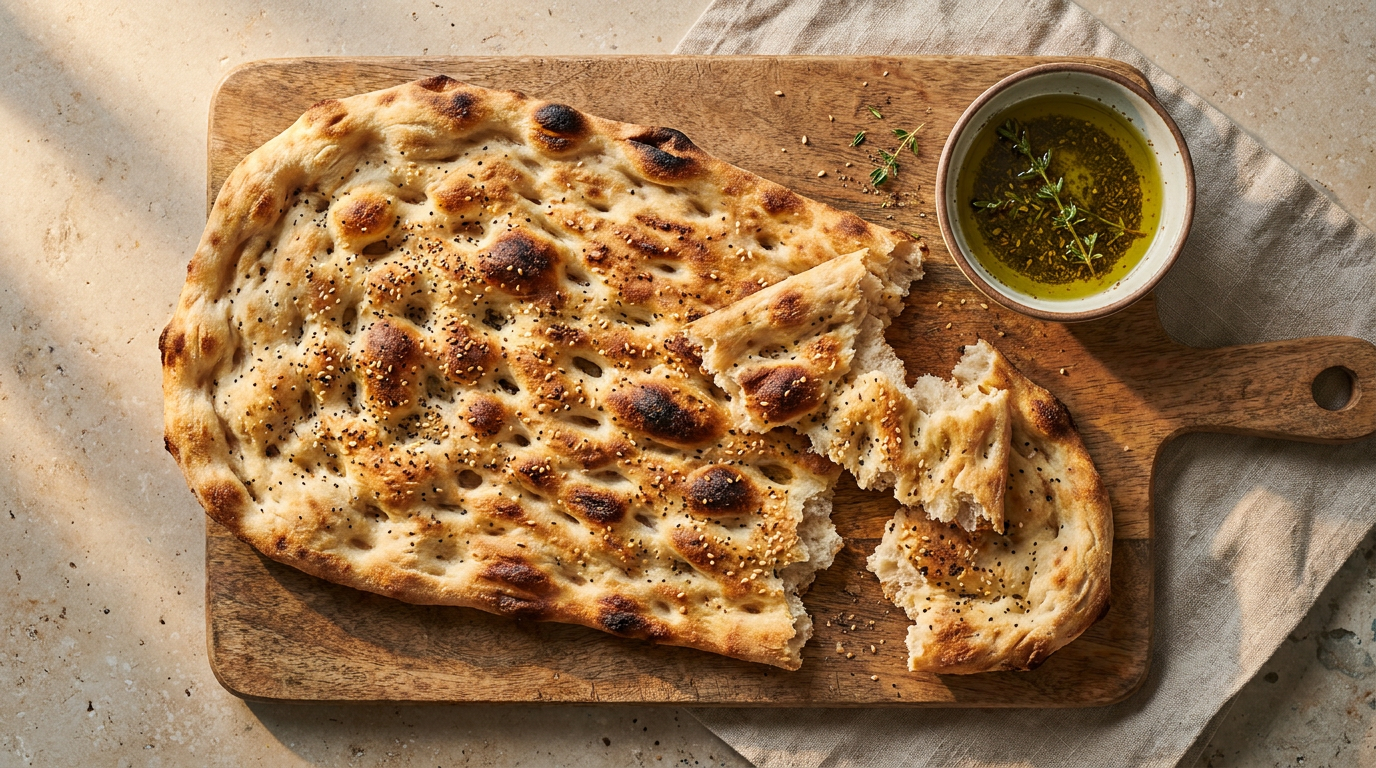
What Is Sangak Bread? Sangak (نان سنگک), also known as nan-e sangak, is a traditional Persian flatbread that holds a special place in Iranian cuisine and culture. Unlike other flatbreads, sangak is unique for two reasons: it is baked on a bed of small, hot river stones, and it is made primarily from whole wheat flour, giving it…
-
Khorovats & Kebabs: Best Flatbreads for Authentic Armenian Grilling
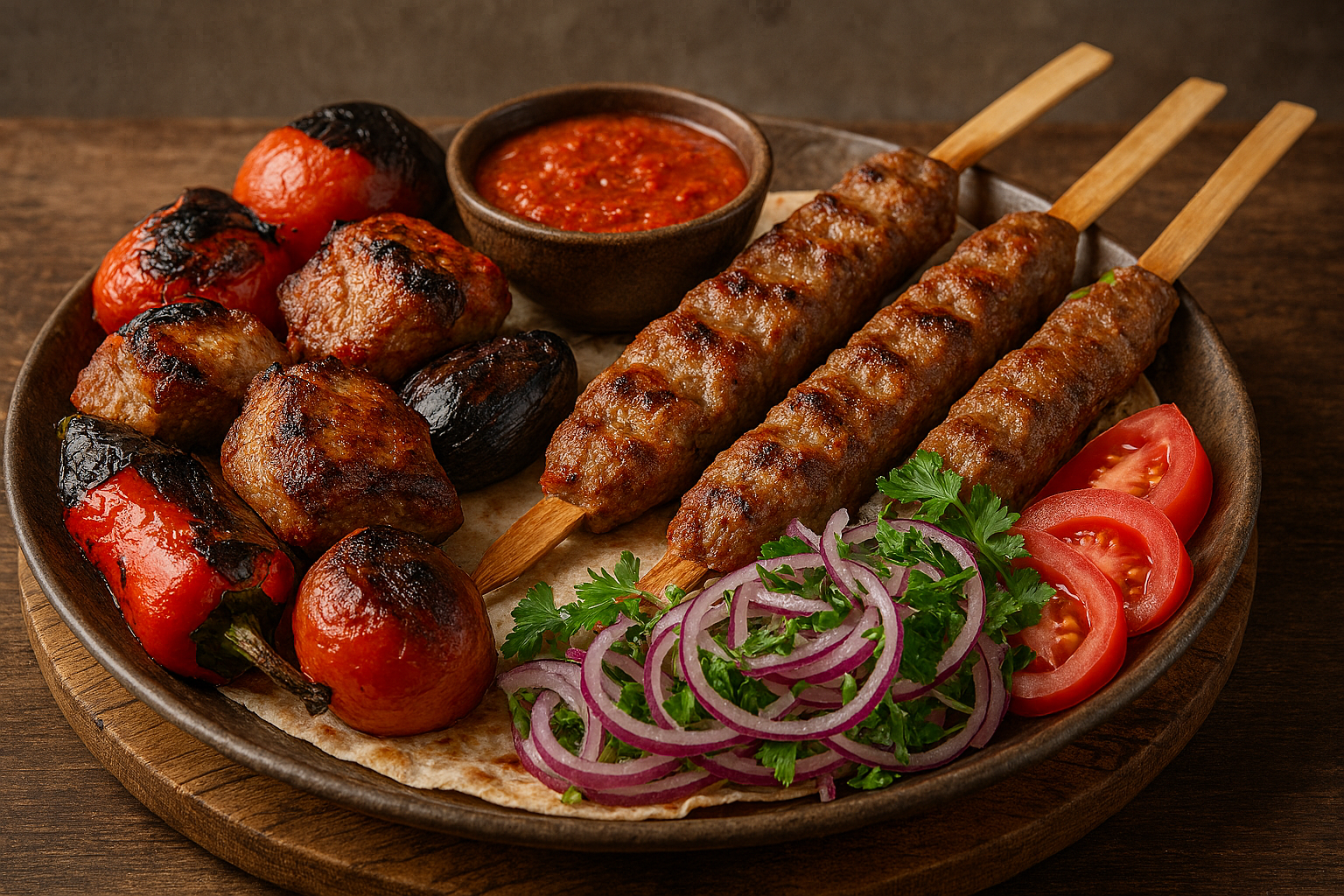
When Armenians gather for khorovats, it’s not just a meal—it’s a centuries-old tradition that brings families together around the fire. Unlike the marinated kebabs you’ve tried at Middle Eastern restaurants, authentic Armenian khorovats relies on just three ingredients: quality meat, salt, and the perfect flatbread to wrap it all. Here’s what makes this ancient grilling…
-
Lavash Bread vs Naan: Which is Right for Your Kitchen? [2026]
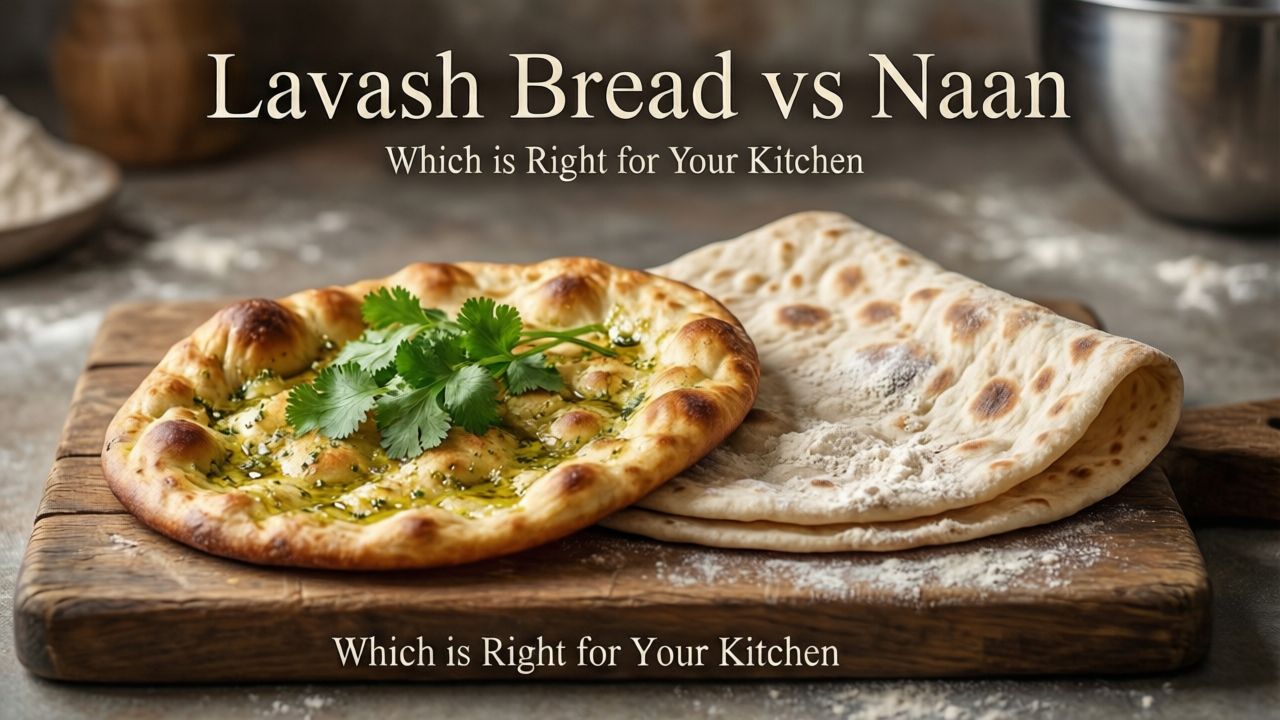
Quick Verdict Lavash is the superior choice for wraps, health-conscious cooking, and long-term storage (1.2g fat/100g, 3–6 months dried). Naan excels as an accompaniment to Indian curries, thanks to its soft, sauce-absorbing texture. For most everyday kitchens, lavash offers unmatched versatility and practicality. Lavash wins for wraps & health: Just 1.2g fat per 100g vs…
-
Breadmasters ARA-Z: Authentic Armenian Flatbread Bakery in Commerce, CA
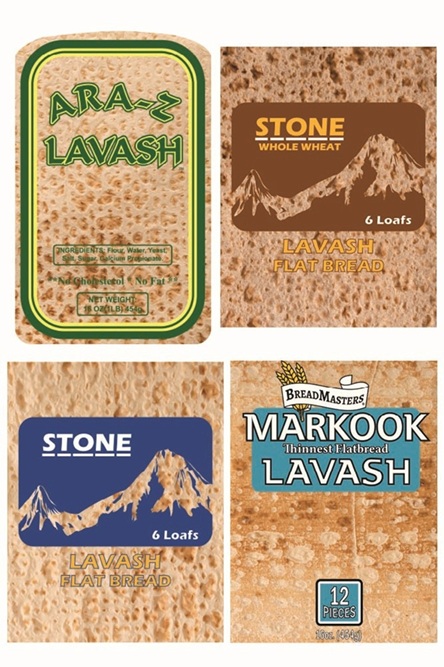
Armenian flatbread baked using time-honored methods is becoming harder to find, but we’ve been preserving this tradition for over 32 years. At Breadmasters ARA-Z, we craft lavash bread, sangak and markook in our Commerce, California bakery, following armenian flatbread recipes passed down through generations of Armenian bakers. Our family’s dedication to authentic baking means no…
-
What Is Markouk Bread? Your Essential Guide to This Traditional Flatbread
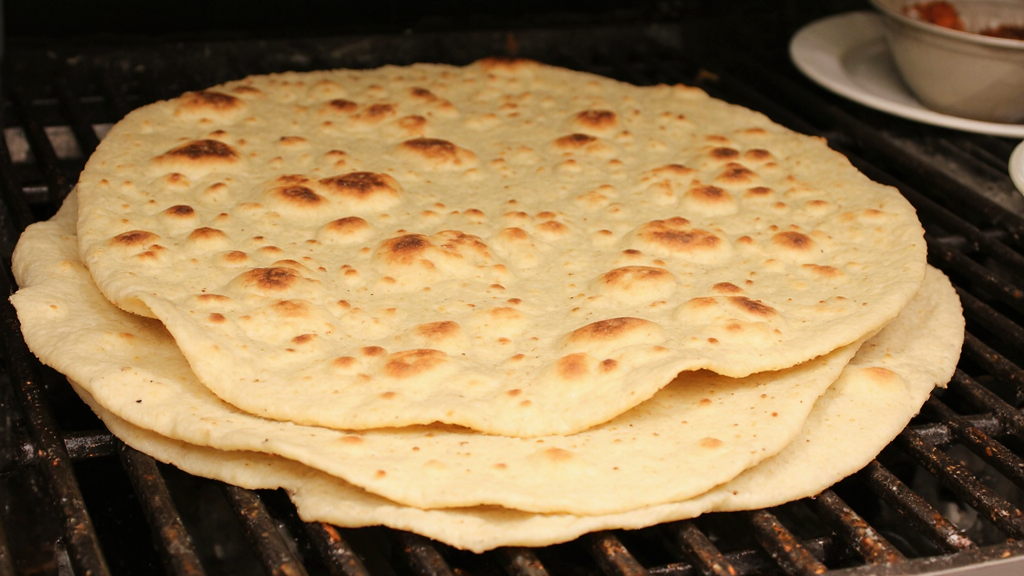
What is markouk bread, and why is this traditional flatbread called “the king of Middle Eastern unleavened flatbreads”? Markouk bread, also known as markook flatbread or shrak, is a Levantine specialty that stands out for its size and thinness. This Lebanese markouk bread measures about 2 feet in diameter and stretches to translucent thinness (0.5…
-
Where to Buy Lavash Bread: Your Complete Shopping Guide for 2026
Store-bought lavash often disappoints with its brittle texture and lack of flavor. The difference between authentic and commercial options comes down to production methods, ingredients, and how manufacturers prioritize quality over shelf life. Ingredients Authentic lavash requires minimal ingredients: flour, water, salt, and old dough or yeast. Some recipes incorporate milk for tenderness and honey for…
-
A Short History of Khash
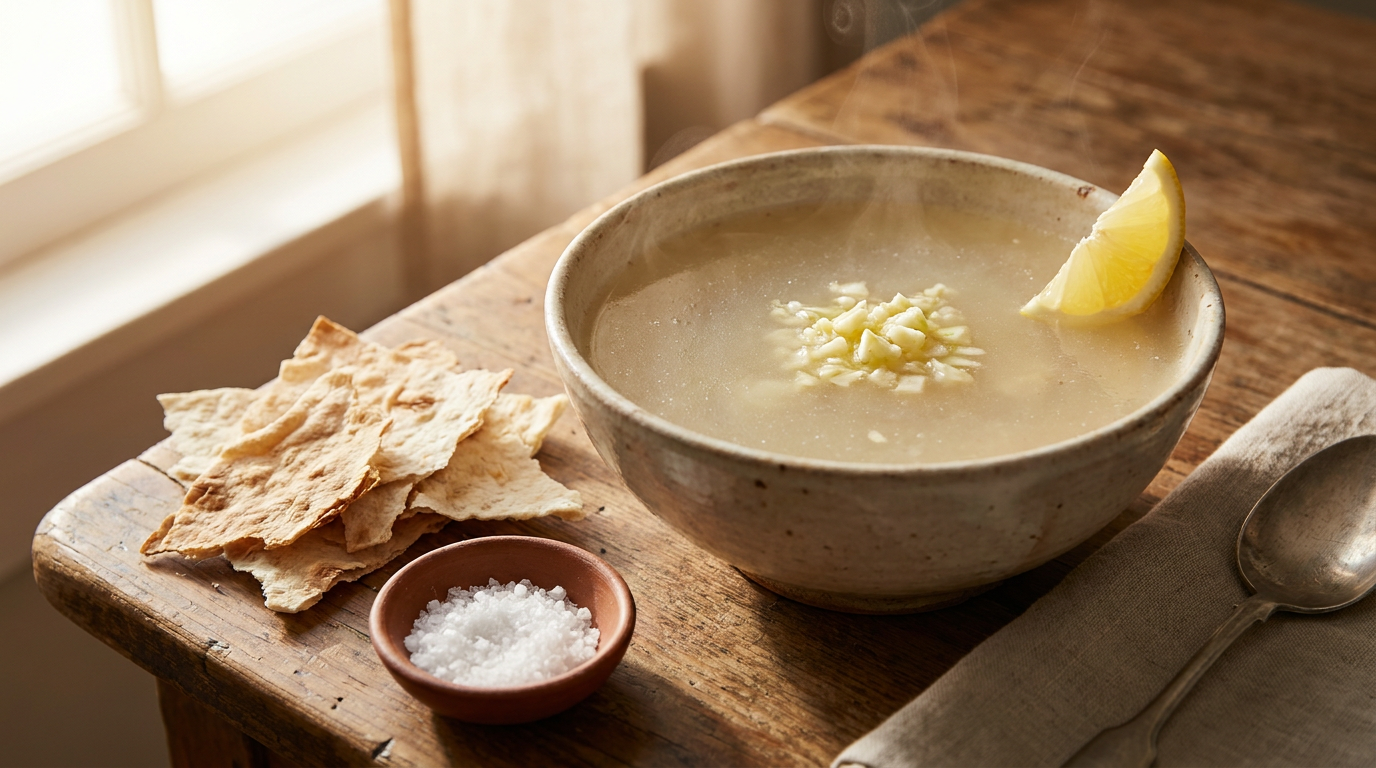
Simmered overnight, eaten for breakfast, and chased with vodka — khash is Armenia’s legendary hangover cure and one of its most social culinary traditions. Here’s what it is, how it’s made, and how to serve it the traditional way. What Is Khash? A recipe for the Armenian soup called khash, at its most basic, goes…